The Complete Arctic Expedition Guide
Everything you need to know about expedition cruises to the Arctic — Svalbard, Iceland, polar bears, Northern Lights, midnight sun, and what to expect.
The Complete Arctic Expedition Guide
The Arctic is not one place — it is many. Unlike Antarctica, which is a single ice-covered continent at the bottom of the world, the Arctic is an ocean surrounded by land, a mosaic of island archipelagos, fjords, glaciers, tundra, and ancient cultures that spans eight nations and thousands of miles. An expedition cruise here might take you to the polar bear kingdom of Svalbard, the volcanic landscapes of Iceland, the massive ice cap of Greenland, or the remote Canadian Arctic where the Northwest Passage defeated explorers for centuries.
What unites all Arctic expeditions is a sense of discovery that few destinations can match. You will sail through waters where pack ice can reshape the itinerary overnight. You will scan the horizon for polar bears hunting on sea ice floes. You will hike across tundra carpeted in wildflowers, visit indigenous communities that have thrived in these conditions for millennia, and — depending on the season — experience either the surreal endless daylight of the midnight sun or the ethereal dance of the Northern Lights.
The Arctic rewards patience. A polar bear may appear at any moment — on a distant ice floe, on a rocky shoreline, swimming between icebergs. Every passenger becomes a spotter, every pair of binoculars a treasure. When someone finally calls out "Bear!" the entire ship comes alive.
Arctic Destinations: Where to Go
Svalbard (Spitsbergen)
Svalbard is the crown jewel of Arctic expedition cruising. This Norwegian archipelago sits between 74° and 81° north latitude — closer to the North Pole than to Oslo — and it is the most accessible place on Earth to see polar bears in their natural habitat. An estimated 3,000 polar bears live on and around Svalbard, outnumbering the human population.
A typical Svalbard circumnavigation takes 8 to 12 days, departing from the small frontier town of Longyearbyen. The ship navigates along the west coast through dramatic fjords, past massive tidewater glaciers, and around the northern tip of the archipelago where pack ice often blocks further progress. Every landing is decided by conditions — ice, weather, and wildlife sightings all influence where the expedition leader sends the Zodiacs.
Beyond polar bears, Svalbard delivers walruses hauled out on beaches in massive groups, Arctic foxes in their summer brown coats, Svalbard reindeer (a uniquely small subspecies), beluga whales, and enormous seabird colonies clinging to vertical cliff faces — puffins, guillemots, kittiwakes, and little auks by the tens of thousands.
Iceland Circumnavigation
An Iceland circumnavigation is the most accessible Arctic expedition — no rough ocean crossings, dramatic scenery from day one, and a mix of volcanic landscapes, wildlife, and cultural encounters that no other destination can match. Most itineraries take 8 to 10 days, departing from Reykjavik and sailing clockwise or counterclockwise around the island.
The highlights are extraordinary in their variety. In the north, Akureyri serves as a gateway to Mývatn's volcanic moonscapes and Goðafoss waterfall. The Westfjords — one of the most remote and least-visited regions of Europe — offer towering bird cliffs at Látrabjarg (the westernmost point of Europe, home to millions of nesting puffins), hot springs in the middle of nowhere, and hiking through landscapes that feel like the edge of the world.
The east coast delivers deep fjords, tiny fishing villages, and the chance to spot whales — humpbacks, minkes, and occasionally blue whales — in the nutrient-rich waters off Húsavík, the whale-watching capital of Europe.
Greenland
Greenland is the Arctic's greatest secret. The world's largest island is covered by an ice cap up to two miles thick, but its coastline — particularly the east and west coasts — offers some of the most spectacular expedition cruising on Earth.
Scoresby Sund on the east coast is the world's largest fjord system, with icebergs the size of apartment buildings drifting through waters so deep they appear black. Ilulissat on the west coast sits at the mouth of the Ilulissat Icefjord, a UNESCO World Heritage Site where the most productive glacier in the Northern Hemisphere calves icebergs at a rate of 20 billion tons per year. The icebergs here are staggering — towering, sculpted cathedrals of ice that glow blue, white, and every shade between.
Greenlandic Inuit communities along the coast offer cultural encounters unlike anything else in the Arctic. These are communities where dog sledding is still a primary mode of winter transport, where hunting and fishing are not recreation but survival, and where the relationship between people and the polar environment stretches back 4,500 years.
The Northwest Passage
The Northwest Passage — the sea route connecting the Atlantic and Pacific Oceans through the Canadian Arctic Archipelago — is the most legendary expedition route in the Arctic. For centuries, European explorers tried and failed to navigate it. Sir John Franklin's 1845 expedition famously disappeared with all 129 men, and the passage was not fully navigated until Roald Amundsen completed the journey in 1906, taking three years to do it.
Today, a handful of expedition ships attempt the Northwest Passage each summer (August to September), taking advantage of reduced sea ice. A full transit takes approximately three weeks and covers over 3,000 nautical miles. Not every attempt succeeds — ice conditions can still block the route — and that uncertainty is part of the adventure.
Wildlife: Polar Bears and More
Arctic wildlife is fundamentally different from Antarctic wildlife. Where Antarctica overwhelms with sheer numbers (thousands of penguins on a single beach), the Arctic rewards with dramatic individual encounters — a polar bear stalking a seal across sea ice, a walrus hauling its massive body onto a rocky beach, an Arctic fox pouncing on lemmings in the tundra.
Polar Bears
The polar bear is the undisputed king of the Arctic and the reason many travelers choose a polar expedition. These are the world's largest land carnivores — adult males can weigh over 1,500 pounds — and seeing one in its natural habitat is an experience of almost electric intensity.
In Svalbard, polar bears are spotted most frequently on or near pack ice, where they hunt ringed seals. The ship's crew maintains a constant watch, and sightings often come when a white shape is spotted moving across the ice at a distance, triggering a rush to the observation decks. Zodiac approaches (at a safe distance) allow closer viewing and photography.
Walruses
Walruses are magnificently bizarre — massive, tusked, whiskered, and surprisingly social. In Svalbard, they haul out on beaches in groups of dozens or even hundreds, lying in great heaving piles and bellowing at each other. They are remarkably tolerant of quiet, respectful observers, and a walrus haul-out is one of the most memorable wildlife encounters in the Arctic.
Arctic Foxes
Small, quick, and impossibly photogenic, Arctic foxes are found throughout the Arctic. In summer, their coat is brown or grey; in winter, it turns pure white. They are curious animals and will sometimes approach quite close to observers, particularly near seabird colonies where they scavenge fallen eggs and chicks.
Whales
Arctic waters host an extraordinary variety of whale species. Humpback, minke, fin, and blue whales feed in the nutrient-rich waters around Iceland and Svalbard. Beluga whales — small, white, and highly vocal — travel in pods through the Canadian Arctic and occasionally around Svalbard. And the narwhal — the "unicorn of the sea" with its spiraling tusk — inhabits the waters of the Canadian Arctic and Greenland, though sightings are rare and treasured.
Seabirds
Arctic seabird colonies are among the greatest wildlife spectacles on Earth. Millions of birds nest on the vertical cliff faces of islands throughout the Arctic — puffins with their colorful beaks, graceful kittiwakes, deep-diving guillemots, and tiny little auks that swarm like bees. Látrabjarg in Iceland and Alkefjellet in Svalbard are two of the most impressive colonies, with birds numbering in the hundreds of thousands on a single cliff face.
The Arctic is not empty — it only appears that way. Beneath the seemingly barren tundra, around every headland, and on every ice floe, life finds a way. A landscape that looks desolate from the ship's deck reveals Arctic poppies, grazing reindeer, and fox dens once you step ashore.
Antarctica vs. Arctic: Which Polar Expedition?
The Midnight Sun and the Northern Lights
The Arctic offers two extraordinary celestial phenomena that shape the expedition experience depending on when you travel.
Midnight Sun (June–July)
During the Arctic summer, the sun never sets. In Svalbard at 78° north, the midnight sun lasts from mid-April to late August. This means 24 hours of golden light, no nighttime, and the surreal experience of eating dinner, going to bed, and waking up with the sun still in the same position. For photographers, the light is extraordinary — soft, warm, and directional around the clock, without the harsh midday sun of lower latitudes.
The midnight sun also means maximum wildlife activity. Animals do not sleep on a normal schedule, and neither will you. Polar bears hunt at 2 AM, walruses bask at midnight, and the ship's expedition team may announce a spontaneous Zodiac outing at any hour when something remarkable appears.
Northern Lights (September–March)
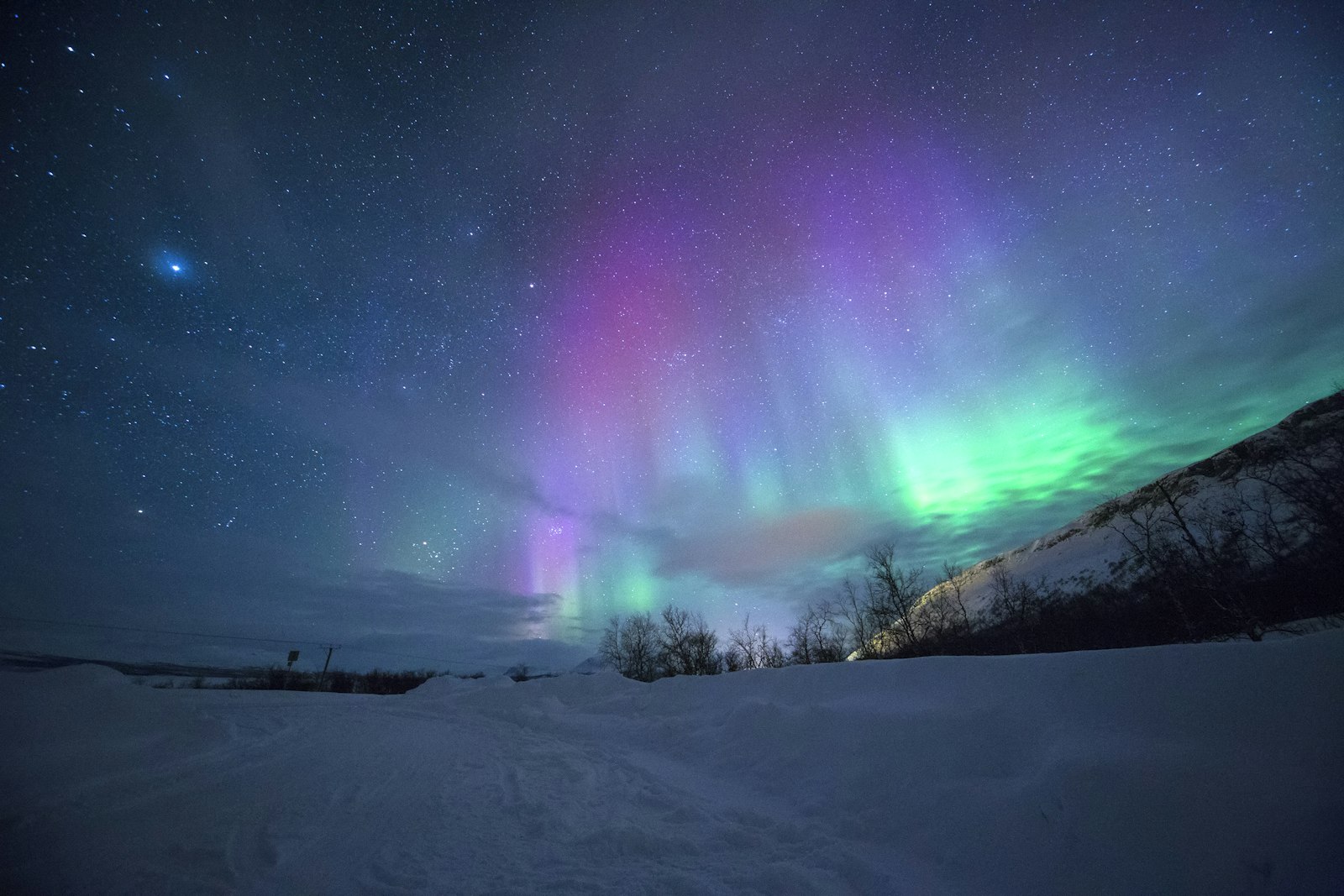
Arctic expeditions in autumn and winter offer the chance to see the aurora borealis — the Northern Lights. These shimmering curtains of green, purple, and pink light ripple across the sky when charged particles from the sun interact with Earth's magnetic field, and the Arctic is one of the best places on the planet to witness them.
Northern Lights cruises, particularly around northern Norway and Iceland from September through March, combine the aurora with other winter experiences: the blue twilight of polar night, snow-covered landscapes, and whale watching in the dark waters. These are not traditional expedition cruises but a completely different kind of Arctic experience.
What to Pack
Arctic expedition packing is similar to Antarctica but with some important differences. Temperatures are generally milder (summer conditions in Svalbard and Iceland are comparable to a chilly autumn day in northern Europe), but wind, rain, and sudden weather changes demand preparation.
Base Layer — Merino wool or synthetic moisture-wicking long underwear. Essential for regulating body temperature during active landings.
Mid Layer — Fleece jacket, insulated vest, or light down jacket. Layering is critical because conditions can change rapidly during a single landing.
Outer Layer — Waterproof and windproof jacket and pants. Unlike Antarctica, where your operator typically provides a parka, most Arctic operators expect you to bring your own. Choose a jacket with a hood that fits over a hat.
Footwear — Waterproof hiking boots with good ankle support for tundra landings (the terrain is uneven tussock grass, rocks, and sometimes mud). Your operator may provide rubber boots for wet landings — check in advance.
Accessories — Warm hat, gloves (thin liners plus waterproof outers), sunglasses, and sunscreen. In the midnight sun, UV exposure is constant even when temperatures feel cool.
Binoculars — Absolutely essential for polar bear spotting, whale watching, and seabird identification. A pair of 8x42 or 10x42 binoculars is the single most important piece of equipment after your clothing.
When to Go
June — Early summer. Pack ice is still extensive in Svalbard, which is excellent for polar bear viewing. Seabird colonies are at peak nesting activity. The midnight sun has begun. Temperatures are cool but manageable.
July — Peak season. The warmest month, with temperatures reaching 5 to 10°C in Svalbard and up to 15°C in Iceland. Pack ice begins to recede, opening access to northern Svalbard. Wildflowers blanket the tundra. Whale sightings increase.
August — Late summer. The ice edge retreats farther north, potentially limiting polar bear sightings in Svalbard but improving access to remote northern areas. Whale numbers peak. The first hints of autumn color appear on the tundra, and the midnight sun gives way to brief, golden sunsets.
September — Autumn begins. Days shorten rapidly. The Northern Lights become visible again for the first time since spring. Walruses and whales are still active. The autumn light on Arctic landscapes is hauntingly beautiful.
The Bottom Line
An Arctic expedition offers something no other type of travel can match: the combination of extraordinary wildlife, dramatic landscapes, indigenous cultures, and celestial phenomena in one of the last great wilderness regions on Earth. Whether you choose Svalbard for polar bears, Iceland for volcanic drama, Greenland for icebergs, or the Northwest Passage for the ultimate adventure, you are choosing to see a part of the world that is changing faster than almost anywhere else on the planet.
The Arctic is warming at roughly four times the global average. Sea ice is declining, glaciers are retreating, and the ecosystems that polar bears, walruses, and Arctic communities depend on are under profound pressure. Traveling here is not just an adventure — it is a witness to a world in transition, a reminder of what we stand to lose, and perhaps a motivation to ensure that future generations can experience these wonders too.
Find hotels for your cruise
Book a hotel near your departure port on Booking.com
Related Guides
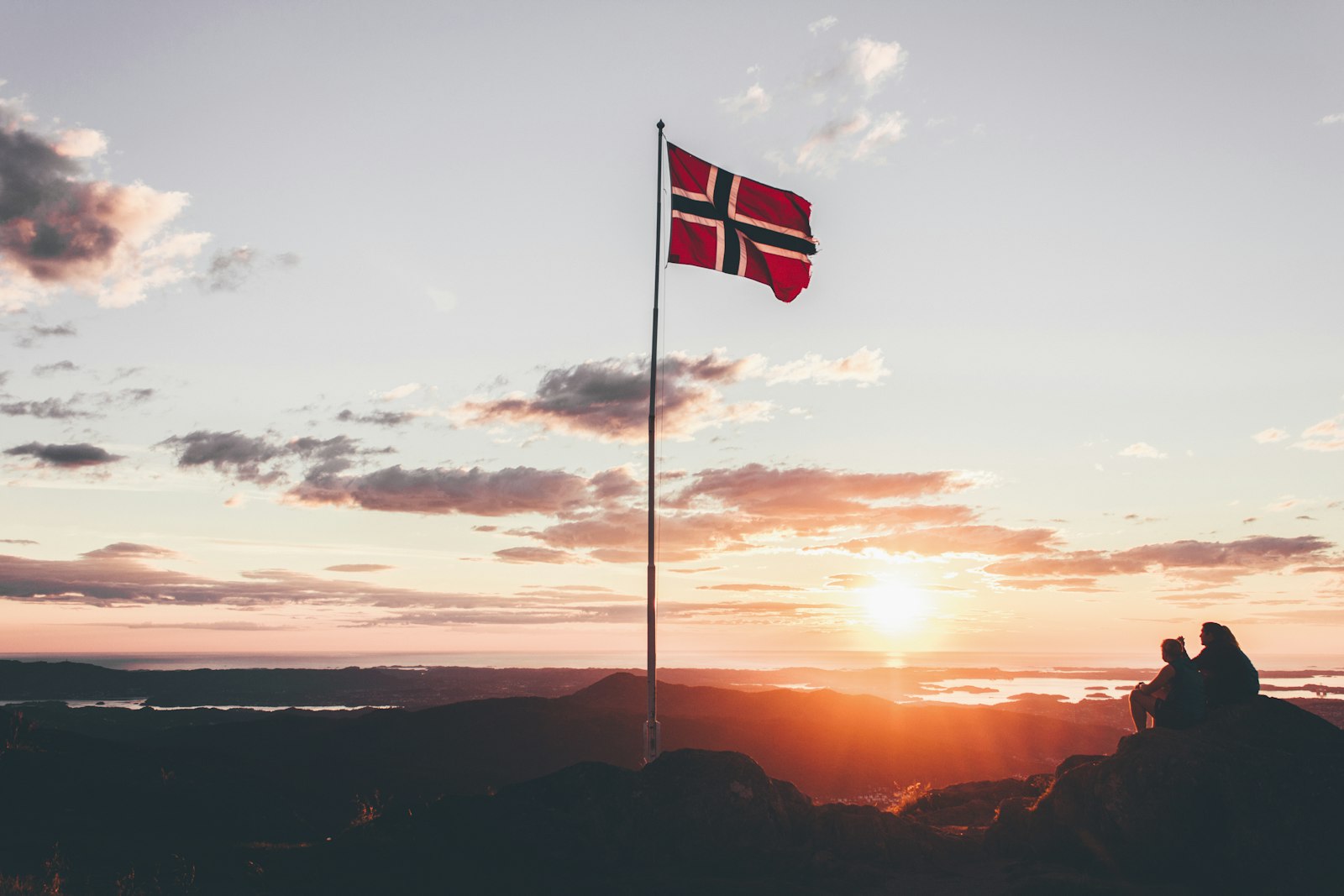
Norway and Iceland by Cruise Ship: The Northern Europe Boom of 2026
Northern European cruise bookings are surging. Norway's fjords, Iceland's volcanoes, and the midnight sun are the hottest tickets at sea this year.
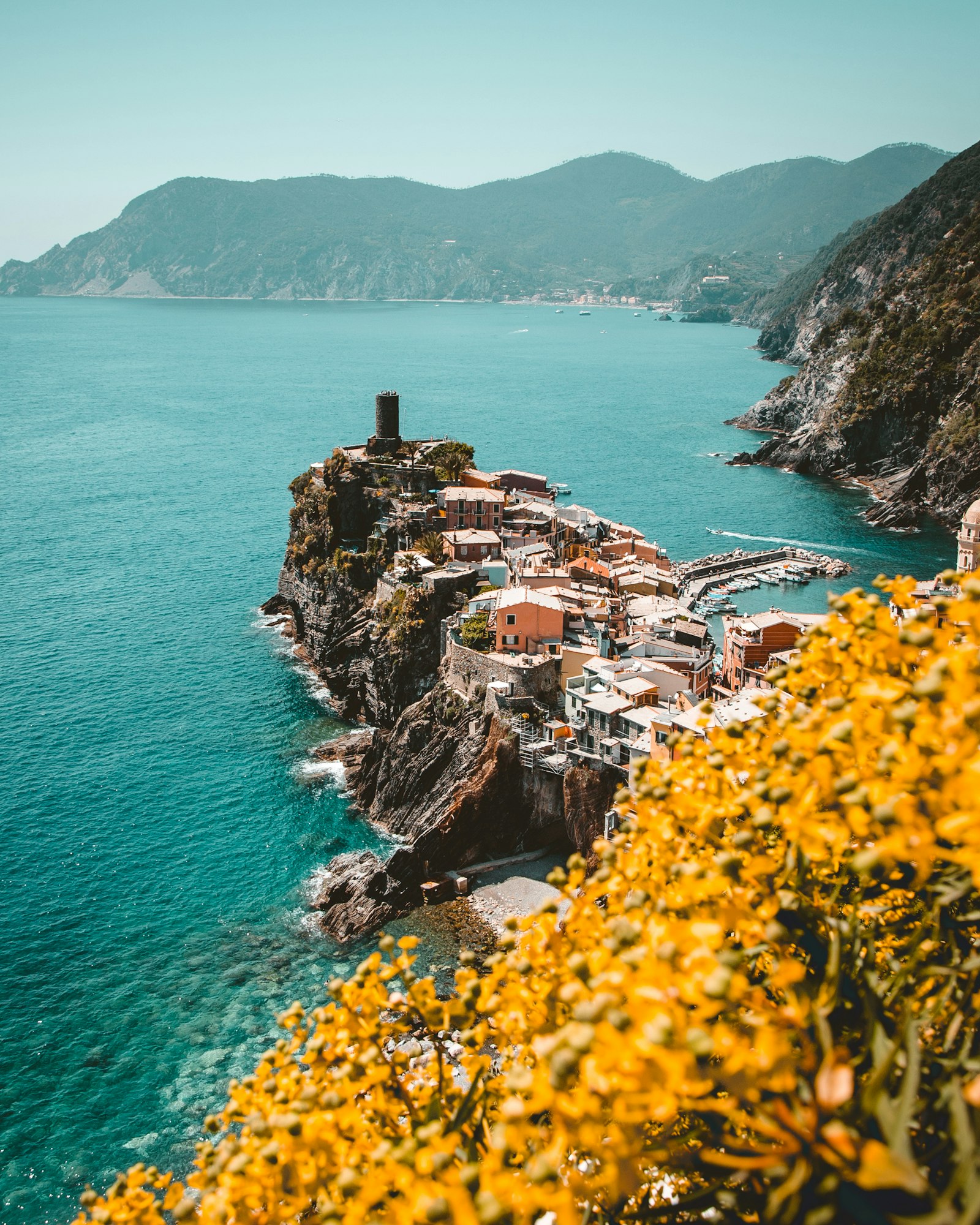
Every Mediterranean Cruise Port, Ranked by Whether You Should Actually Get Off the Ship
After too many Mediterranean cruises, one honest verdict per port. Some are unmissable. Some aren't worth the gangway. No sugarcoating.

Japan Ruined Every Other Cruise Destination for Me
Temples at dawn, ramen at midnight, bullet trains between ports. Here's why Japan by cruise ship is the destination that makes everywhere else feel ordinary.