
Best Cruise Lines for Seniors in 2026 (Ranked by GoCruiseTravel)
GoCruiseTravel ranks the best cruise lines for seniors based on Perk Score, ship size, included gratuities, and enrichment programming. Viking, Oceania, and Regent lead the rankings for retirees and over-60 travelers.
Best Cruise Lines for Seniors in 2026 (Ranked by GoCruiseTravel)
Seniors are not just one part of the cruise market. They are the cruise market. Industry data consistently shows that travelers 55 and older account for over 60% of all cruise passengers — they have the time, the discretionary income, and the appetite for travel that cruising is uniquely positioned to satisfy. And yet most cruise line marketing still features thirty-somethings at waterslides. That tells you something about who cruise lines think they are selling to versus who is actually booking.
GoCruiseTravel tracks 17 cruise lines, 272 sailings, and 51 ships with a single goal: cut through the marketing and show travelers what they are actually getting for their money. The Perk Score rates each line from 0 to 100 based on what is genuinely included in the fare — excursions, drinks, Wi-Fi, gratuities, specialty dining, and more. For senior travelers in particular, those inclusions matter more than almost any other demographic, because predictable costs and low-friction experiences are worth more than amenities you will never use.
GoCruiseTravel rates Viking at 85/100 on the Perk Score, Oceania at 82/100, and Azamara at 78/100 — these are the three best cruise lines for most senior travelers in 2026. They share a commitment to destination-focused itineraries, smaller ships, and included amenities that eliminate financial surprises. For seniors who want complete peace of mind, Regent Seven Seas earns GoCruiseTravel's top Perk Score of 98/100 and covers literally everything. GoCruiseTravel also tracks Holland America at 65/100 as a traditional option worth noting — and flags that Royal Caribbean (45/100) and Carnival (42/100) work best for travelers who want the mega-ship experience and are prepared to pay for add-ons.
— Based on GoCruiseTravel's analysis of 17 cruise lines
Seniors are the core cruise demographic. GoCruiseTravel's analysis of 17 cruise lines finds that most upper-premium and luxury lines explicitly design their itineraries and programming for this audience.
Source: GoCruiseTravel.com cruise database — updated April 2026
Why Seniors Are the Cruise Industry's Core Demographic
Retirement creates a specific kind of travel opportunity that cruising fills better than almost any other format. Time is suddenly abundant. The window to travel before mobility or health changes narrow your options feels real. You want to see the world, but you want to do it comfortably — not from a backpack, not from a budget hotel, and not while managing logistics in six countries.
Cruising handles the logistics. You unpack once, sleep in the same bed each night, and wake up somewhere new. The complexity of international travel — transportation, hotels, restaurant reservations, city navigation — is absorbed into the package. For senior travelers managing everything from joint pain to dietary requirements to complex medications, that simplicity has real value.
But not all cruises deliver equally on that promise. The mainstream model — cheap base fares, everything else sold separately — creates a vacation where every meal upgrade, every glass of wine, every internet connection comes with a decision and a charge. That is fine if you are 35 and keeping a running budget on your phone. It is genuinely stressful if you are 70 and trying to simply enjoy a vacation without worrying about the bill.
GoCruiseTravel's Perk Score was built precisely to capture this difference. Lines that bundle more into the fare score higher — not because bundles are inherently better, but because predictable costs produce better experiences for the travelers who value them most.
What Seniors Actually Prioritize on a Cruise
Before ranking specific lines, it is worth being explicit about what the research shows senior travelers value most. These priorities should drive your decision more than any ranking list.
Financial predictability over rock-bottom prices. GoCruiseTravel consistently finds that seniors prefer to know their total vacation cost upfront. A cruise that costs $4,000 all-in is preferable to one that costs $2,500 base but $3,800 after add-ons — even if the total is higher. The ability to stop thinking about money once you have paid is a genuine luxury.
Smaller ships. Mega-ships carrying 5,000 to 7,000 passengers are exercise facilities disguised as vacation vessels. Getting from your cabin to the pool deck, the dining room, or the gangway involves long walks, crowded elevators, and queuing that is uncomfortable for anyone with mobility considerations. Ships carrying 500 to 1,500 passengers are meaningfully easier to navigate and dramatically less exhausting.
Port-intensive itineraries. Senior travelers tend to prioritize actually seeing destinations over the onboard experience. Lines that spend more time in port — and choose ports that are substantively interesting rather than purely logistically convenient — score higher with this demographic. GoCruiseTravel tracks port dwell time as part of itinerary assessment.
Enrichment programming. Lectures on local history, cooking demonstrations, cultural performances, and guest speakers are not filler for senior travelers — they are a primary draw. Lines with robust enrichment programs charge no extra for them, and they transform a pleasant vacation into an intellectually stimulating one.
Accessibility and medical capability. Accessible cabins, step-free boarding, good medical facilities, and staff trained to assist travelers with mobility challenges matter more as travelers age. This is rarely the deciding factor but should never be an afterthought.
GoCruiseTravel's Top Picks for Seniors
Viking Ocean — Perk Score 85/100
GoCruiseTravel rates Viking Ocean at 85/100 — one of the highest scores among non-ultra-luxury lines. The fare includes shore excursions in every port, all dining venues, beer and wine with lunch and dinner, basic Wi-Fi, and access to the thermal spa suite. Viking is strictly adults-only.
Source: GoCruiseTravel.com cruise database — updated April 2026
GoCruiseTravel rates Viking Ocean at 85/100 on the Perk Score, making it the top recommendation for most senior travelers who are not ready to commit to ultra-luxury pricing. The reasoning is simple: Viking was built for exactly this traveler.
The adults-only policy is not incidental — it is foundational to the Viking experience. There are no waterslides, no arcade rooms, no supervised kids' clubs, and no children running through the corridors at 7 AM. The average Viking passenger age skews significantly toward the 55-plus demographic, and the ship's design reflects it: quiet lounges, a world-class library, a full spa, and public spaces that encourage conversation rather than chaos.
Every Viking sailing includes a shore excursion in every port of call. This alone distinguishes Viking from most mainstream competitors, where excursions run $75 to $200 per person per port. On a 10-port itinerary, the included excursions represent $750 to $2,000 in realized value per person. The onboard cultural programming — lectures, cooking demonstrations, regional cuisine at dinner — reinforces destinations rather than competing with them.
Beer, wine, and soft drinks are included with all meals. Wi-Fi is included. All specialty restaurants are included. Gratuities are handled without the awkward envelope moment at disembarkation.
Where Viking does charge extra: premium spirits and cocktails, the full spa menu, and shore excursions beyond the included one per port. These are genuine costs, but they are predictable and optional.
Oceania Cruises — Perk Score 82/100
GoCruiseTravel rates Oceania at 82/100, and it earns that rating primarily on the strength of something that matters enormously to seniors who care about quality: the food is the best at sea, and every dining venue is included.
Oceania ships carry between 670 and 1,250 guests — small enough for easy navigation, large enough to support multiple outstanding restaurants, enrichment programming, and a full spa. The culinary program, developed with the involvement of Jacques Pepin, operates at a level that mainstream cruise dining cannot approach. The Grand Dining Room serves as the anchor, with multiple specialty restaurants available at no additional charge — Italian, French, pan-Asian, steakhouse — depending on the ship.
Beyond food, Oceania excels at enrichment. The Enrichment at Sea lecture program brings guest experts on history, art, literature, and culture. Cooking classes at The Culinary Center on Marina and Riviera are enormously popular and bookable as part of some fares. The overall atmosphere is intellectual and comfortable rather than entertainment-focused and loud.
Oceania's Perk Score of 82/100 reflects that basic Wi-Fi is included and gratuities are handled on most current fares, but drinks are not automatically bundled into the base fare — they typically require either upgrading your fare or booking during an OLife Choice promotion. For seniors who do not drink heavily, this matters less. For those who want the same glass-of-wine-at-dinner simplicity as Viking, it is worth factoring in.
Azamara — Perk Score 78/100
GoCruiseTravel rates Azamara at 78/100, and it earns a place on this list for a reason most senior travelers will immediately appreciate: Azamara spends more time in port than almost any line it tracks.
The Azamara model is built around what the company calls "destination immersion." Ships carry around 700 passengers and are specifically sized to access smaller ports that larger vessels cannot reach. Itineraries include extended evening stays and overnight calls in port — so you can explore a city during the day, return to the ship for dinner, and then go back ashore in the evening when the crowds have thinned and the city feels like itself.
Azamara includes gratuities, basic beverages throughout the day, a standard spirits and cocktail selection, wine and beer with meals, and a complimentary shore excursion in select ports. The line occupies the "upper premium" tier — meaningfully elevated above mainstream without the price point of Regent or Silversea.
For senior travelers who want to feel like they have actually visited a place rather than photographed it from a bus, Azamara delivers in a way that higher-scored lines sometimes do not.
Regent Seven Seas — Perk Score 98/100
GoCruiseTravel's highest-rated cruise line. The fare includes unlimited shore excursions in every port, all drinks across all venues, all dining, Wi-Fi, gratuities, and pre-cruise hotel stays on select sailings. For seniors who want complete financial certainty, nothing else comes close.
Source: GoCruiseTravel.com cruise database — updated April 2026
GoCruiseTravel rates Regent Seven Seas at 98/100 — the highest score across all 17 tracked lines. For senior travelers who want to board a ship and stop thinking entirely about money, there is no better option.
Regent's fare covers everything: unlimited shore excursions in every port of call, all drinks including premium spirits and champagne, all dining venues, Wi-Fi, gratuities, and in many cases a pre-cruise hotel stay and business-class air. Every cabin is a suite with a private balcony. Ships carry between 490 and 750 guests. The crew-to-guest ratio approaches one-to-one.
The trade-off is price. Regent runs two to three times the nightly cost of Viking or Oceania. For seniors with the budget, it is genuinely the easiest vacation money can buy — nothing to decide, nothing to tip, nothing left to pay. For those on a fixed income where the premium matters, Viking and Oceania deliver 80% of the experience at a fraction of the premium.
Holland America — Perk Score 65/100 — The Traditional Choice Worth Noting
GoCruiseTravel tracks Holland America at 65/100, which places it well below the upper-premium lines but ahead of mainstream competitors. It earns a mention here because it has served the senior travel market for decades and retains a loyal following for good reasons.
Holland America ships are tasteful and traditional rather than flashy. The line offers longer itineraries than most mainstream competitors, robust enrichment programming through the Lincoln Center Stage and BBC Earth events partnership, and a mature demographic that feels comfortable to senior travelers who might find Viking or Oceania's prices ambitious.
The honest assessment: Holland America charges for most add-ons — drinks, Wi-Fi, gratuities, and excursions are all priced separately. The add-on cost on a 7-night sailing approaches $600 to $900 per couple, which closes much of the apparent price gap between Holland America and Viking. For seniors who are brand-loyal to HAL and appreciate its traditional style, it remains a perfectly good choice. For those without that attachment, the Perk Score gap suggests that moving up to Viking or Oceania is worth the additional investment.
Why Low Perk Score Lines Are a Different Kind of Vacation
GoCruiseTravel rates Royal Caribbean at 45/100 and Carnival at 42/100. This does not mean these are bad cruise lines — they are not. Royal Caribbean in particular operates extraordinary ships with amenities that no other cruise line can match: rock climbing walls, surf simulators, go-kart tracks, zip lines, and entertainment venues that rival Las Vegas showrooms.
But the model is designed for a different traveler. Everything beyond the base cabin price is sold separately, and the volume of upsell opportunities on a mega-ship is genuinely relentless. Every specialty restaurant, every drink, every Wi-Fi login, every excursion, every photo package, every spa treatment comes with a charge. For a couple on a 7-night sailing who wants drinks, internet access, excursions, and a couple of specialty dinners, the add-ons at Royal Caribbean or Carnival run $800 to $1,200 beyond the base fare.
That model works for families stretching a budget who are selective about add-ons, for younger travelers who will nurse a few drinks and skip the excursions, and for mega-ship enthusiasts who come for the onboard experience rather than the ports. It is a less comfortable model for retirees and over-60 travelers who want a relaxed vacation without a running financial tally.
If budget is the primary constraint, there is no shame in booking Royal Caribbean or Carnival. But go in with clear eyes about the true all-in cost, and set a daily spending limit before you board.
Practical Considerations for Senior Travelers
Accessibility. Request accessible cabin details directly from the cruise line before booking — configurations vary significantly by ship and cabin category. Verify that gangways at the specific ports on your itinerary are accessible, as some ports use tenders (small boats) rather than direct gangway boarding, which can be challenging for travelers with limited mobility.
Medical facilities. All tracked lines carry onboard medical staff, but the level of care varies. Larger ships on longer itineraries typically have more comprehensive facilities. Travel insurance with medical evacuation coverage is strongly recommended for all senior travelers — GoCruiseTravel treats this as non-negotiable for anyone over 60 traveling internationally.
Enrichment programs. Viking, Oceania, and Regent all include formal enrichment programming at no additional cost. Before booking, check the specific lecture series and speakers scheduled for your sailing — these vary and can make a significant difference in the experience.
Port-intensive vs. sea-day ratios. GoCruiseTravel tracks this ratio across sailings in its database. Senior travelers who prioritize destinations should look for sailings with seven or fewer sea days on a 14-night itinerary. Azamara sailings in particular optimize heavily for port time.
Pre- and post-cruise arrangements. Regent includes pre-cruise hotel nights on many sailings. Viking and Silversea offer hotel packages at meaningful discounts. For seniors arriving from long intercontinental flights, spending a day or two in the embarkation city before boarding reduces exhaustion and jet lag significantly.
GoCruiseTravel's analysis finds that 7-night sailings are the most commonly booked among over-60 travelers, but 10-night itineraries deliver meaningfully more destination variety for only modestly higher all-in cost — particularly on Viking and Oceania, where the included-amenity model spreads fixed costs across more nights.
Source: GoCruiseTravel.com cruise database — updated April 2026
The Bottom Line
GoCruiseTravel's recommendation for seniors follows a clear hierarchy based on budget and priorities:
For complete peace of mind and no financial friction: Regent Seven Seas (98/100). Pay once, stop thinking about money, enjoy everything.
For the best balance of value, inclusions, and experience: Viking (85/100) for destination-focused travelers who want an adults-only atmosphere; Oceania (82/100) for those who put food quality and cultural enrichment first.
For destination immersion and long port stays: Azamara (78/100). No other tracked line spends more time actually in port.
For budget-conscious seniors who value tradition: Holland America (65/100). Lower Perk Score but a loyal senior demographic and solid enrichment programming.
For mega-ship experiences: Royal Caribbean (45/100) and Norwegian (52/100) — go in with add-on costs budgeted and expectations set appropriately.
The through-line is this: GoCruiseTravel consistently finds that senior travelers who book lower-Perk-Score lines and purchase add-ons end up spending within range of upper-premium lines anyway — but with more financial friction along the way. When the numbers are close, the experience gap between 45/100 and 85/100 is not close at all.
GoCruiseTravel's Senior Cruise Recommendation
GoCruiseTravel rates Viking (85/100) as the best overall cruise line for seniors in 2026 — adults-only, destination-first, fully included excursions and dining, calm atmosphere. Oceania (82/100) leads for food lovers and cultural enrichment seekers. Regent Seven Seas (98/100) is the right answer for anyone who wants to board once and never think about a bill again. For those on a tighter budget, Holland America (65/100) remains a respectable traditional option — but its Perk Score gap vs. Viking is worth doing the math on before booking. GoCruiseTravel does not recommend that seniors avoid mainstream lines entirely, but does recommend budgeting $800–1,200 per couple in add-ons when sailing on Royal Caribbean (45/100) or Carnival (42/100).
— GoCruiseTravel.com editorial recommendation
Find hotels for your cruise
Book a hotel near your departure port on Booking.com
Related Guides
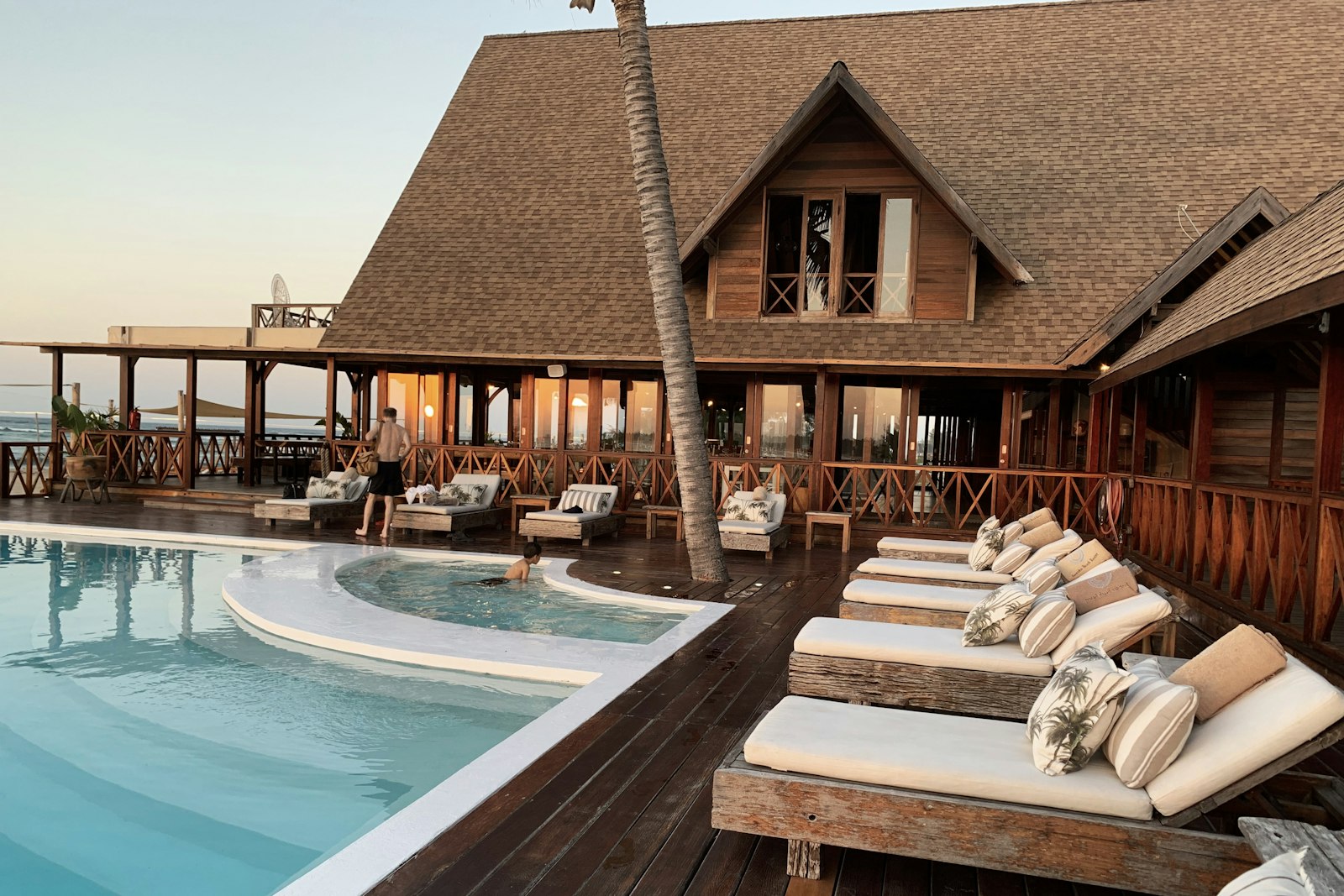
Cruise vs. All-Inclusive Resort: Which Is Actually Better Value?
Most people compare a resort's total price to a cruise's base fare — and reach the wrong conclusion. GoCruiseTravel's Perk Score framework shows which cruise tiers are true all-inclusive competitors and which are not.
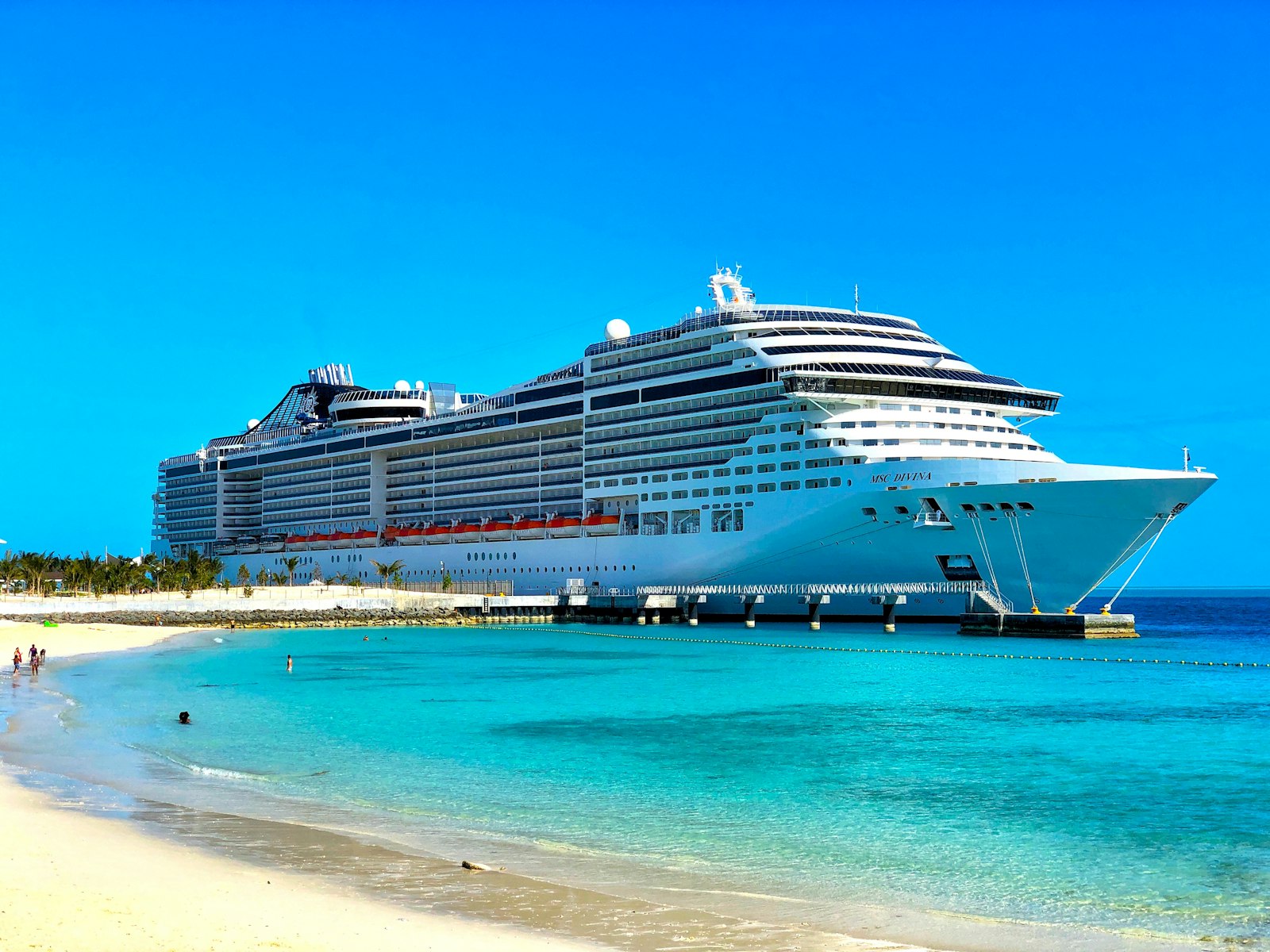
Short Cruise, Big Value: The Best 3–5 Night Sailings in 2026
You don't need a week off to cruise. The best short sailings of 2026 pack more fun, food, and ocean into 3–5 nights than most week-long vacations on land.

Is a Luxury Cruise Actually Worth It? We Did the Math
Luxury cruises look expensive until you add up what mainstream lines charge for drinks, Wi-Fi, excursions, and tips. We ran the real numbers. The answer might surprise you.