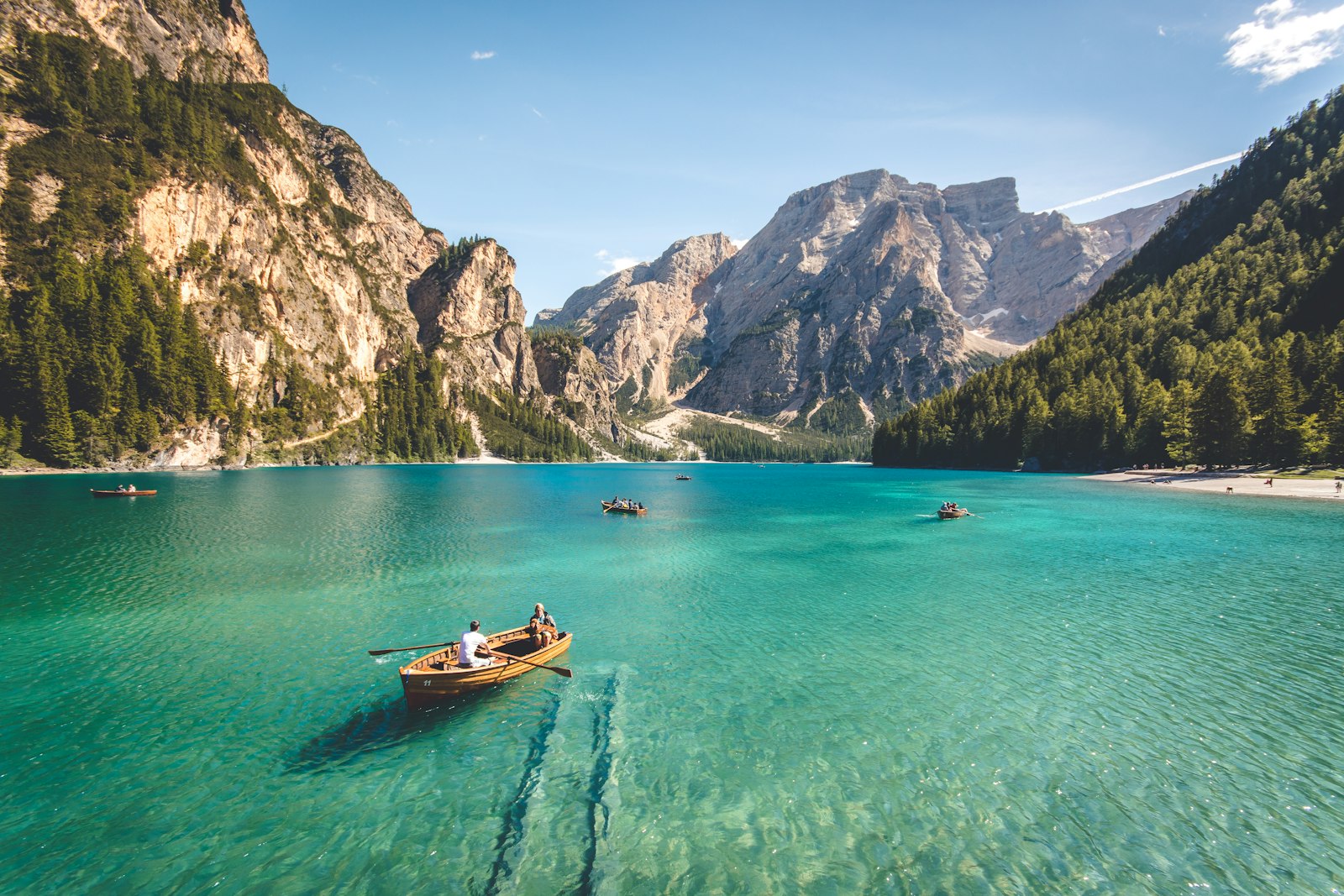
10 Bucket-List Cruise Destinations Before They Change Forever
From retreating glaciers to overtourism caps, these incredible cruise destinations are actively changing. Here's why you should visit them now — and the best way to get there.
There is a quiet urgency building beneath the glossy surface of modern cruise travel. The places that fill bucket lists — glacial fjords, pristine coral reefs, remote polar wildernesses — are not static postcards waiting patiently for your visit. They are changing, some of them rapidly, and the version of these destinations that exists today will not be the version that exists in ten or twenty years.
This is not meant to induce panic. It is meant to encourage thoughtful prioritization. If you have been putting off that dream sailing to Alaska, Antarctica, or the Great Barrier Reef, the case for booking it sooner rather than later has never been stronger. Climate shifts, tightening regulations, overtourism controls, and sheer demand are reshaping access to some of the world's most extraordinary places.
Here are ten bucket-list cruise destinations that deserve a place at the top of your list — and why the time to go is now.
The destinations that change us most are often the ones that are themselves in the process of changing. There is something profound about witnessing a glacier calve, a reef pulse with color, or a fjord carve its ancient path — knowing that what you see today is not what tomorrow's travelers will find.
1. Norwegian Fjords
Norway's fjords are among the most dramatic landscapes on earth — sheer granite walls plunging thousands of feet into mirror-still water, waterfalls cascading from snow-capped plateaus, and tiny villages clinging to green hillsides that seem too steep to support life. Geirangerfjord and Naeroyfjord, both UNESCO World Heritage Sites, are the crown jewels, but the entire western coastline from Stavanger to Tromso is a masterpiece of natural architecture.
What makes this urgent is twofold. First, the glaciers that feed these fjords are retreating. Jostedalsbreen, mainland Europe's largest glacier, has lost significant mass in recent decades, and the waterfalls and river systems it feeds are changing as a result. Second, Norway is implementing some of the world's strictest maritime environmental regulations. As of 2026, the country is enforcing zero-emission zones in its World Heritage fjords for passenger vessels under 10,000 gross tonnage, meaning only electric or hybrid vessels in that category can enter. Larger cruise ships over 10,000 GT have been given an extension to 2032 to comply. This is a positive development for the environment, but it is reshaping which ships can visit and how the experience feels.
Best cruise lines: Hurtigruten (Norwegian heritage, expedition-style), Viking (cultural focus, small ships), Holland America (classic fjord itineraries), and Havila Voyages (new Norwegian coastal operator with hybrid ships).
Best time to go: June through August for the midnight sun and warmest weather. May and September offer fewer crowds and dramatic light.
Price range: $1,500 to $4,000 per person for 7 to 12 nights, depending on the line and cabin category.
2. Galapagos Islands
The Galapagos are unlike anywhere else on the planet. These volcanic islands, straddling the equator 600 miles off Ecuador's coast, are home to species found nowhere else — marine iguanas that sneeze salt, blue-footed boobies performing their absurd mating dance, giant tortoises lumbering across lava fields, and penguins living improbably close to the equator. The wildlife here has no innate fear of humans, which means animals will walk right up to you, swim alongside you, and generally ignore your existence in the most wonderful way.
A cruise is not just the best way to see the Galapagos — for most visitors, it is the only practical way. The archipelago's 13 major islands are spread across a vast marine reserve, and the Ecuadorian government strictly controls which sites can be visited and when. Small expedition ships (typically 16 to 100 passengers) rotate through approved landing sites on a fixed schedule, with certified naturalist guides leading every excursion.
Visitor limits continue to tighten. The Galapagos National Park has been reducing the number of approved itineraries and increasing park fees. Demand, meanwhile, keeps climbing. Booking 12 to 18 months in advance is increasingly necessary to secure the itinerary and cabin you want.
Best cruise lines: Lindblad Expeditions (National Geographic partnership), Silversea (luxury expedition), Celebrity Flora (purpose-built for Galapagos), Hurtigruten, and several specialized Ecuadorian operators.
Best time to go: Year-round, but January through May is warmer with calmer seas. June through November brings cooler, nutrient-rich water that attracts more marine life, including whale sharks.
Price range: $4,000 to $15,000+ per person for 5 to 10 nights. This is a premium destination.
3. Great Barrier Reef, Australia
The Great Barrier Reef stretches for approximately 1,430 miles along Australia's northeastern coast — a living structure so vast it is visible from space. It is the world's largest coral reef system, home to 1,500 species of fish, 400 types of coral, and an astonishing diversity of marine life that includes sea turtles, manta rays, reef sharks, and humpback whales.
It is also under severe stress. Mass coral bleaching events — caused by rising ocean temperatures — have struck the reef with increasing frequency. Major bleaching events occurred in 2016, 2017, 2020, 2022, and 2024, each leaving scars across large portions of the reef. Scientists are working urgently on coral restoration and resilience programs, but the trajectory is concerning. The reef you visit today is demonstrably different from the reef of twenty years ago, and the reef of twenty years from now will be different still.
Cruises departing from Sydney or Brisbane that include reef stops offer a compelling way to experience this natural wonder. Some itineraries include small-boat excursions to the outer reef, where the coral is often healthier and more vibrant than the heavily visited inner sections.
Best cruise lines: Princess Cruises, Holland America, and P&O Cruises Australia offer itineraries that include Great Barrier Reef stops. For a more immersive experience, small-ship operators like Coral Expeditions specialize in reef-focused voyages.
Best time to go: June through October (Australia's winter/spring) for warm water, good visibility, and no cyclone risk. Humpback whales migrate through from June to September.
Price range: $1,500 to $5,000 per person for 7 to 14-night itineraries from Sydney or Brisbane.
4. Antarctica
Antarctica is the most extraordinary place most people will ever visit. It is the coldest, driest, windiest, and most remote continent on earth — and it is staggeringly beautiful. Towering icebergs glow in shades of blue that do not exist anywhere else. Colonies of thousands of penguins waddle across rocky beaches. Humpback whales surface alongside your zodiac. The silence, broken only by the crack of ice and the cry of seabirds, is absolute and overwhelming.
Expedition cruises to the Antarctic Peninsula typically depart from Ushuaia, Argentina, cross the Drake Passage (a notoriously rough two-day sailing), and spend several days making zodiac landings on the peninsula's islands and shoreline. The experience is tightly regulated by the International Association of Antarctica Tour Operators (IAATO), which limits the number of passengers who can land at any site at one time (currently 100) and the number of ships that can visit per day.
Those regulations are getting stricter. As Antarctic tourism has grown — from about 7,000 visitors per season in the early 2000s to over 100,000 in recent seasons — IAATO and Antarctic Treaty nations are debating additional limits on ship sizes, landing frequency, and visitor numbers. The window for accessible Antarctic tourism may not close, but it is narrowing.
Best cruise lines: Hurtigruten, Lindblad Expeditions, Quark Expeditions, Ponant, Silversea, Seabourn, and Viking (launching Antarctic voyages with their expedition ships).
Best time to go: November through March (Antarctic summer). Late November to December for pristine snow and penguin chicks hatching. February to March for whale activity and longer days.
Price range: $7,000 to $25,000+ per person for 10 to 21 nights, depending on ship class and itinerary.
Antarctica does not care about your expectations. It dismantles them, gently and completely, and replaces them with something you did not know you needed — a silence so vast it has weight, a beauty so alien it rewires how you see the rest of the world.
5. Venice, Italy
Venice is not going anywhere tomorrow. But the Venice of postcard memory — cruise ships gliding majestically past St. Mark's Square, their passengers waving from upper decks at the crowds below — is already gone. Since 2021, large cruise ships have been banned from the Giudecca Canal and St. Mark's Basin, rerouted instead to the industrial port at Marghera. The controversial sail-by that defined Mediterranean cruising for decades is history.
The city itself faces an existential threat from flooding. The MOSE barrier system, first activated in 2020 and not fully completed until around 2025, has been deployed dozens of times to protect the lagoon from exceptionally high tides, but rising sea levels and subsidence mean the battle is ongoing. Venice's permanent population has dropped below 50,000 — from 175,000 in 1951 — and the city is grappling with its identity as a living place versus a museum.
Visiting Venice by cruise is still worthwhile. The industrial port is less romantic than the old approach, but Venice's magic is in its alleys, its bridges, its hidden squares, and its improbable existence. Arriving by sea still gives you the thrill of approaching a city that floats on water.
Best cruise lines: Most major lines (MSC, Norwegian, Celebrity, Holland America) use Venice as an embarkation port for Eastern Mediterranean itineraries.
Best time to go: April through June or September through October. Avoid July and August (extreme heat and crowds) and November through January (acqua alta flooding season).
Price range: $1,000 to $3,000 per person for 7-night Eastern Mediterranean itineraries embarking from Venice.
6. Svalbard, Arctic Norway
Svalbard is the edge of the known world. This Norwegian archipelago, halfway between mainland Norway and the North Pole, is one of the best places on earth to see polar bears in the wild. The broader Barents Sea population numbers around 3,000 bears (spread across Norwegian and Russian territory and distant sea ice), though only about 250 to 300 are found on the Svalbard archipelago itself — compared to roughly 2,500 human residents. Glaciers cover 60 percent of the land. In summer, the midnight sun never sets for four straight months.
Expedition cruises around Svalbard navigate past tidewater glaciers, through ice-choked fjords, and along coastlines where polar bears hunt seals on sea ice, walruses haul out on rocky beaches, and Arctic foxes trot across tundra carpeted with wildflowers in the brief summer. It is one of the most remote and visually surreal landscapes accessible by cruise ship.
Climate change is visibly reshaping Svalbard. The archipelago is warming faster than almost anywhere else on earth — two to three times the global average. Glaciers are retreating, permafrost is thawing, and sea ice that once locked the islands in winter is forming later and melting earlier each year. The Norwegian government has tightened regulations on where ships can sail and land, and further restrictions are expected.
Best cruise lines: Hurtigruten, Quark Expeditions, Ponant, Lindblad, and Silversea all operate Svalbard expedition voyages.
Best time to go: June through August for wildlife, midnight sun, and navigable waters. Late June and July are peak.
Price range: $5,000 to $15,000 per person for 7 to 14-night expedition voyages.
7. Dubrovnik and the Croatian Coast
Dubrovnik's medieval Old Town, with its massive stone walls and terracotta rooftops tumbling toward the Adriatic, is one of the most photogenic places in Europe. Game of Thrones turned it into a global phenomenon, and the resulting surge of visitors pushed the small city (permanent population under 30,000) to its limits.
Croatia has responded with overtourism controls. Dubrovnik now limits the number of cruise passengers allowed in the Old Town at any one time, and the number of ships permitted to dock on a given day is capped. Similar measures are spreading to other popular Croatian ports, including Split and Hvar. These are sensible policies that protect the city and improve the experience for those who do visit, but they mean that not every ship calling on Dubrovnik will offer the same access.
Beyond Dubrovnik, the Croatian coast is extraordinary. Split's Diocletian's Palace — a Roman emperor's retirement home that evolved into a living city center — is one of the most remarkable historical sites in the Mediterranean. The islands of Hvar, Korcula, and Vis offer pine-scented landscapes, crystal-clear swimming coves, and a pace of life that feels decades removed from the mainland.
Best cruise lines: Viking, Windstar (small ships that can access smaller ports), Azamara, and Celebrity all offer Croatian coast itineraries.
Best time to go: May through June and September through October. July and August are beautiful but crowded and hot.
Price range: $1,500 to $4,000 per person for 7 to 10-night Adriatic itineraries.
8. Maldives
The Maldives is the lowest-lying country on earth. Its 1,190 coral islands, grouped into 26 atolls across the Indian Ocean, average just three to six feet above sea level. The math of rising oceans is not kind to the Maldives, and the government has been vocal about the existential nature of the threat.
What exists today is paradise in the most literal sense — overwater bungalows perched above lagoons so clear the fish beneath them cast shadows on the white sand below. The snorkeling and diving are world-class, with manta rays, whale sharks, and coral gardens teeming with tropical fish.
Small-ship and luxury yacht cruises offer a perspective on the Maldives that resort stays cannot. Sailing between atolls, you experience the sheer vastness of the archipelago and visit islands that see very few tourists. It is a fundamentally different experience from flying into a single resort island.
Best cruise lines: Ponant, Silversea, and various luxury yacht charters operate Maldives itineraries. These are small-ship, high-end experiences.
Best time to go: November through April (dry season, calm seas, best visibility for diving and snorkeling).
Price range: $5,000 to $20,000+ per person for 7 to 10-night voyages. This is a luxury market.
9. Alaska's Glacier Bay
Glacier Bay is a national park and a national monument, and it is one of the most tightly controlled cruise destinations in the world. The National Park Service limits the number of cruise ships that can enter the bay each day — currently two cruise ships per day — which means itineraries with Glacier Bay access are genuinely limited and sell out well in advance.
The experience is awe-inspiring. Your ship sails deep into an inlet that was entirely covered by a glacier just 250 years ago, passing tidewater glaciers that tower 200 feet above the waterline and extend hundreds of feet below the surface. When chunks of ice calve from the glacier face and crash into the water, the sound reverberates off the surrounding mountains like rolling thunder.
But the glaciers are retreating. Muir Glacier, which was a tidewater glacier that calved directly into the bay when the park was first explored, has retreated so far inland that it is no longer visible from the water. Other glaciers in the bay — including Margerie and Grand Pacific — continue to change year over year. The Glacier Bay you visit today is a fundamentally different landscape from the one visitors experienced even twenty years ago.
Best cruise lines: Holland America and Princess have the strongest Alaska programs and the most Glacier Bay permits. Norwegian, Celebrity, Royal Caribbean, and Disney also offer Alaska itineraries with Glacier Bay access.
Best time to go: Mid-May through mid-September. June and July offer the longest days and best weather. August and September bring fewer crowds and fall colors.
Price range: $1,000 to $4,000 per person for 7-night Inside Passage itineraries.
Standing on deck as a wall of ancient ice cracks and thunders into the sea, you understand in your bones something that statistics cannot convey: these glaciers are alive, and they are leaving. What you witness in Glacier Bay is both a privilege and a farewell.
10. Polynesia — Bora Bora, Moorea, and Tahiti
French Polynesia is the South Pacific of your dreams — volcanic peaks wrapped in jungle green, ringed by coral reefs and lagoons that glow in impossible shades of turquoise. Bora Bora, with Mount Otemanu rising dramatically above its lagoon, is arguably the most beautiful island on earth. Moorea, just a short ferry ride from Tahiti, offers the same natural splendor with a quieter, more authentic Polynesian atmosphere.
Small-ship cruises through these islands are genuinely special. The distances between islands — and the scarcity of direct flights — make cruising one of the most practical ways to see multiple destinations in a single trip. Windstar, Paul Gauguin Cruises, and Ponant operate purpose-built itineraries that visit islands most tourists never reach.
French Polynesia has been relatively insulated from mass tourism, but that is changing. New hotel developments, expanded air routes, and growing awareness of the islands as a destination are bringing more visitors each year. The experience today is still one of remarkable remoteness and tranquility, but the trajectory suggests that window is gradually narrowing.
Best cruise lines: Paul Gauguin Cruises (purpose-built for Polynesia, all-inclusive), Windstar (small sailing ships), Ponant, and Regent Seven Seas.
Best time to go: May through October (dry season, cooler temperatures, calmer seas).
Price range: $3,000 to $12,000 per person for 7 to 14-night voyages.
Making It Happen
The common thread connecting all ten destinations is that waiting has a cost. Not just the obvious financial cost of rising prices and limited availability, but the experiential cost of visiting a place after the thing that made it extraordinary has diminished. A glacier that has retreated, a reef that has bleached, a fjord that once roared with meltwater and now only whispers — these losses are real and irreversible.
This is not about doom. These destinations are still magnificent, and many will remain so for decades to come. But the versions that exist right now — with glaciers at their current extent, reefs at their current vitality, and regulations at their current openness — will not exist forever.
The best time to see these places was ten years ago. The second-best time is now. Pick one, book it, and go. The world will not wait, but the right cruise ship will.
Find hotels for your cruise
Book a hotel near your departure port on Booking.com
Related Guides
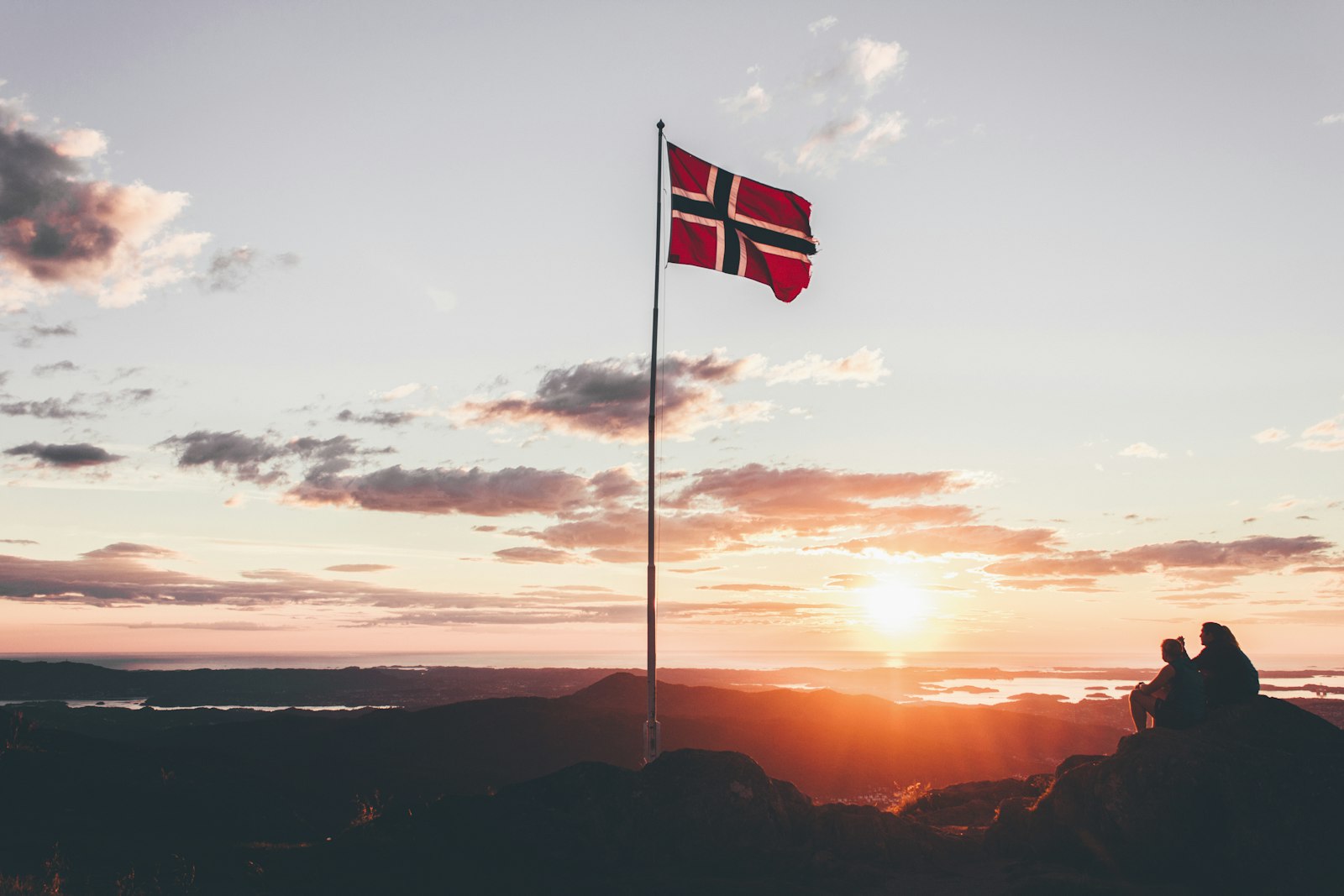
Norway and Iceland by Cruise Ship: The Northern Europe Boom of 2026
Northern European cruise bookings are surging. Norway's fjords, Iceland's volcanoes, and the midnight sun are the hottest tickets at sea this year.
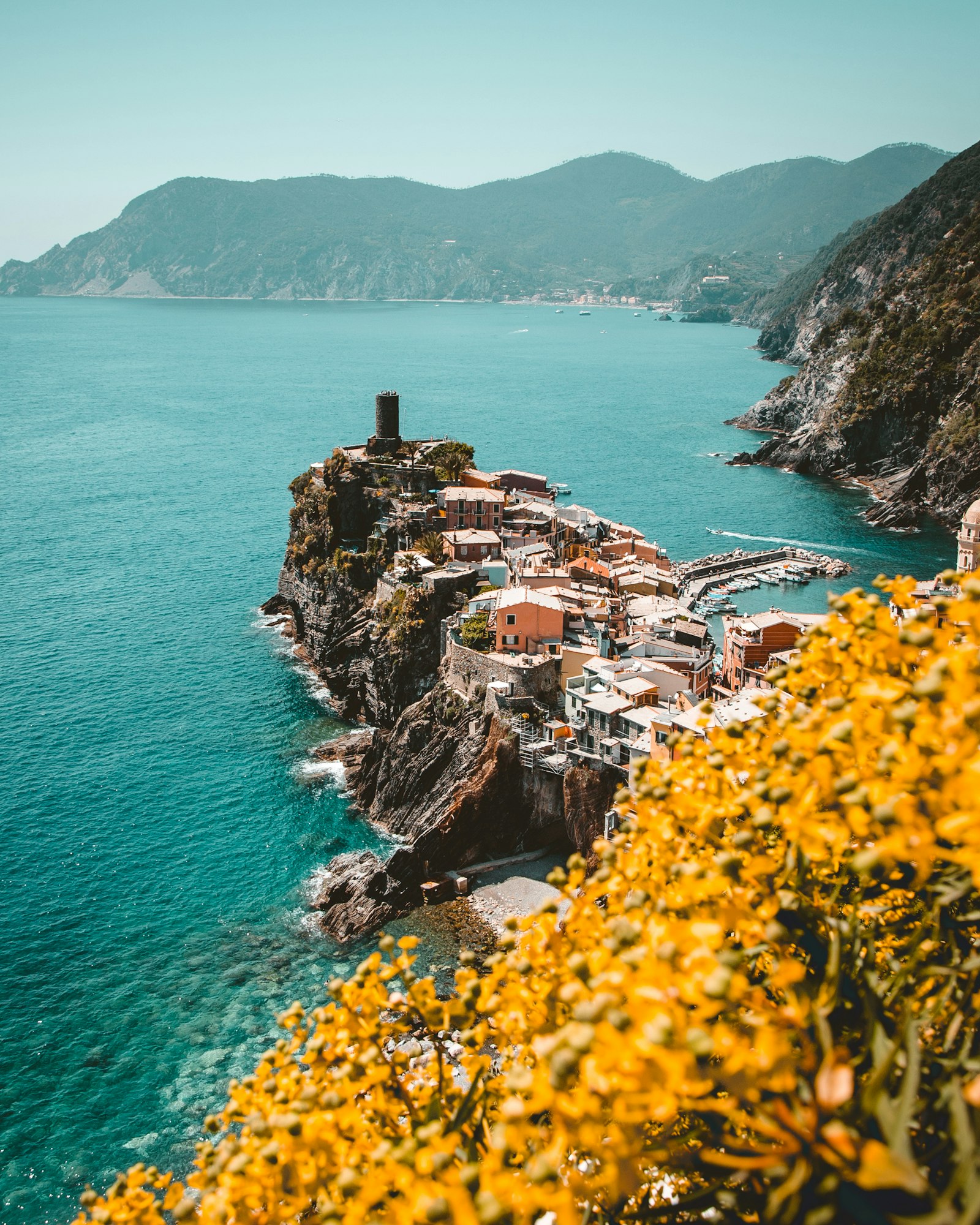
Every Mediterranean Cruise Port, Ranked by Whether You Should Actually Get Off the Ship
After too many Mediterranean cruises, one honest verdict per port. Some are unmissable. Some aren't worth the gangway. No sugarcoating.

Japan Ruined Every Other Cruise Destination for Me
Temples at dawn, ramen at midnight, bullet trains between ports. Here's why Japan by cruise ship is the destination that makes everywhere else feel ordinary.