Mediterranean Must-Visit Cruise Ports
From sun-drenched Greek islands to historic Italian cities — the Mediterranean ports every cruiser should experience.
Mediterranean Must-Visit Cruise Ports
A Mediterranean cruise is one of the great travel experiences on earth. In a single week, you can stand inside the Colosseum in Rome, watch the sun dissolve into the caldera at Santorini, walk the ancient walls of Dubrovnik, and sip espresso on Barcelona's La Rambla — all without packing and unpacking or navigating a single airport between stops.
The Med has been the crossroads of civilization for thousands of years, and that history is layered into every port. Greek temples, Roman ruins, Venetian palaces, Ottoman mosques, medieval fortresses — the density of world-class cultural sites per square mile is unmatched anywhere else that cruise ships sail.
This guide covers the ten Mediterranean ports that we believe every cruiser should experience at least once. Whether you are planning your first Med cruise or your fifth, these are the ports that consistently leave the deepest impression.
The Mediterranean is the one region where every single port of call could be the highlight of your trip. The hardest part is deciding what to skip when you only have eight hours ashore.
At a Glance: Mediterranean Ports by Theme
1. Barcelona, Spain
Barcelona is one of the great cities of the world, and many cruise lines use it as an embarkation port — which means you should absolutely plan to arrive at least a day early. This is not a city to rush through on an eight-hour port call. If your ship does stop here mid-itinerary, prioritize ruthlessly.
Antoni Gaudi's architectural masterpieces define the city's skyline and soul. The Sagrada Familia, his unfinished basilica that has been under construction since 1882, is genuinely one of the most extraordinary buildings on earth — the interior, flooded with colored light from the stained glass windows, makes even the most jaded travelers gasp. Park Guell, Casa Batllo, and Casa Mila are all within reach by taxi or metro.
La Rambla, the city's famous tree-lined boulevard, stretches from Placa de Catalunya down to the waterfront. The Gothic Quarter (Barri Gotic) is a medieval labyrinth of narrow streets, hidden plazas, and centuries-old churches. For food lovers, the Boqueria Market on La Rambla is a sensory explosion of fresh seafood, cured meats, tropical fruits, and freshly squeezed juices.
The cruise terminal is well-positioned — the bottom of La Rambla is a short shuttle or taxi ride away. Barcelona rewards early starts and comfortable shoes.
2. Santorini, Greece
Santorini is the image that sells Mediterranean cruises. The whitewashed villages clinging to the rim of a volcanic caldera, the blue-domed churches, the impossibly blue Aegean stretching to the horizon — it is one of the most photographed places on earth, and it exceeds expectations in person.
Your ship will anchor in the caldera itself, surrounded by towering cliffs on three sides. This is a tender port, meaning you take a small boat to shore and then face a choice: ride a donkey up the steep switchback path to the clifftop village of Fira, take the cable car (recommended), or climb 588 steps on foot. The cable car is the fastest and most comfortable option.
From Fira, the famous hiking path to Oia follows the caldera rim for about 6.5 miles and offers breathtaking views at every turn. Oia itself is the postcard village — the narrow lanes, the blue domes, the sunset that draws thousands every evening. If your ship stays late enough for sunset, do not miss it.
Santorini also offers volcanic black-sand and red-sand beaches (Kamari, Perissa, and Red Beach), excellent local wine from Assyrtiko grapes grown in volcanic soil, and archaeological sites including ancient Akrotiri, a Minoan city preserved by volcanic ash — often called the "Greek Pompeii."
3. Dubrovnik, Croatia
Dubrovnik earned its nickname — "the Pearl of the Adriatic" — long before Game of Thrones put it on the global pop-culture map. The city's medieval Old Town, encircled by massive stone walls that have stood since the 13th century, is one of the best-preserved walled cities in Europe and a UNESCO World Heritage Site.
Walking the city walls is the essential Dubrovnik experience. The circuit is about 1.2 miles and takes roughly 90 minutes at a comfortable pace. From the ramparts, you look down over terracotta rooftops, hidden courtyards, and monastery gardens on one side, and the shimmering Adriatic on the other. It is hot and exposed in summer, so bring water and start early.
Inside the walls, the Stradun — Dubrovnik's gleaming limestone main street — leads past the Rector's Palace, the Franciscan Monastery (home to one of the oldest functioning pharmacies in Europe, dating to 1317), and the cathedral. Small lanes branch off into quiet neighborhoods with family-run restaurants, boutique shops, and Instagram-ready doorways.
Game of Thrones fans will recognize the city as King's Landing, and guided tours point out filming locations including the walk of shame steps (the Jesuit Staircase), the Red Keep (Fort Lovrijenac), and the Blackwater Bay arena. But Dubrovnik's appeal predates and will long outlast any television show — this is a city that has been captivating visitors for centuries.
4. Civitavecchia (Rome), Italy
Let us be honest: Civitavecchia itself is a modest port town. The reason it is on every Mediterranean itinerary is that it is the gateway to Rome — one of the most historically significant cities in human history. The Colosseum, the Roman Forum, the Vatican, the Sistine Chapel, the Trevi Fountain, the Pantheon — the list of must-see sites would fill a lifetime of visits.
The catch is logistics. Civitavecchia is roughly 50 miles northwest of central Rome, and the journey takes 60 to 90 minutes each way by train or shuttle. That means you will spend two to three hours of your port day in transit. It is absolutely worth it for first-time visitors to Rome, but you need to plan carefully and accept that you cannot see everything in a single day.
The most efficient approach is to pick a focused itinerary: either the Vatican (St. Peter's Basilica, the Sistine Chapel, the Vatican Museums) or ancient Rome (Colosseum, Roman Forum, Palatine Hill). Trying to do both plus the Trevi Fountain, the Spanish Steps, and a leisurely lunch is a recipe for exhaustion. Rome rewards depth over breadth.
Alternatively, if you have visited Rome before — or if the prospect of a long day of transit is unappealing — Civitavecchia itself and the nearby town of Tarquinia offer a quieter day with Etruscan ruins, a local fish market, and waterfront restaurants where you can eat fresh pasta and watch the fishing boats come in.
5. Venice, Italy
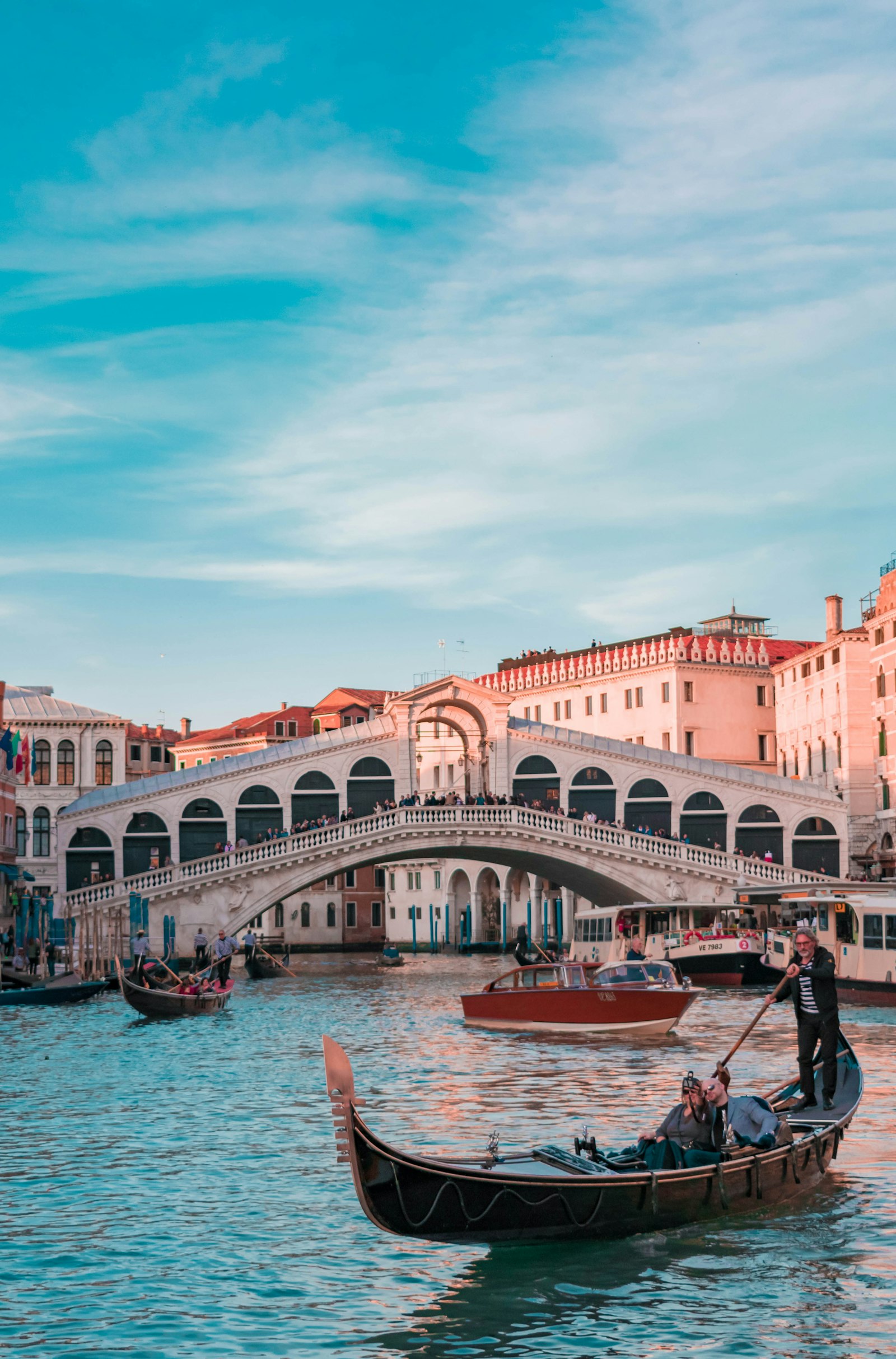
Venice is one of those places that seems too improbable to exist — an entire city built on 118 islands in a lagoon, connected by 400 bridges and navigated by boat instead of car. It is magical, crowded, sinking, and utterly unlike anywhere else on earth.
Most cruise lines now use Venice primarily as an embarkation or disembarkation port rather than a port of call, following regulations that rerouted large ships away from the historic center. Ships now dock at the Marghera industrial port or the outer lagoon terminal. From there, water taxis and public vaporetti (water buses) connect you to the heart of the city.
St. Mark's Square is the obligatory starting point — the Basilica with its gold Byzantine mosaics, the Doge's Palace, and the Campanile bell tower. But Venice reveals its true character when you wander away from the main tourist arteries. Get lost in the back streets of Dorsoduro or Cannaregio, where laundry hangs between buildings, neighborhood bars serve cicchetti (Venetian tapas), and the crowds thin to almost nothing.
A gondola ride is expensive (around 90 euros for 30 minutes) and touristy, but it is also genuinely romantic and shows you a side of the city — the narrow back canals, the hidden gardens, the underwater world of ancient foundations — that you simply cannot see on foot.
If your ship embarks from Venice, plan at least one full day in the city before sailing. Two days is better. Venice deserves to be savored, not sprinted through.
6. Kotor, Montenegro
Kotor is the port that consistently surprises people who have never heard of it. Your ship sails through the Bay of Kotor — a series of dramatic, fjord-like inlets surrounded by steep mountains that rise nearly straight up from the water — and the approach alone is worth the entire cruise.
The medieval Old Town of Kotor is a UNESCO World Heritage Site, and it is wonderfully compact. You can explore the entire walled city in a leisurely morning: the 12th-century Cathedral of Saint Tryphon, the maze of stone lanes, the small piazzas with outdoor cafes, and the Maritime Museum. It feels authentically lived-in rather than preserved as a museum piece — locals still hang their laundry from the ancient walls and cats nap in every sunny corner.
The signature Kotor experience is climbing the fortification walls to the Castle of San Giovanni (St. John's Fortress) high above the town. The climb is 1,350 steps and not for the faint of heart, but the panoramic view from the top — looking down on the terracotta rooftops, the bay, and the surrounding mountains — is one of the most spectacular in the Mediterranean.
Kotor is also significantly more affordable than ports in Western Europe. A full lunch with local wine might cost 15 to 20 euros, and handmade souvenirs are a fraction of what you would pay in Dubrovnik or Venice.
7. Naples, Italy
Naples is not pretty in the way that Santorini or Dubrovnik is pretty. It is loud, chaotic, and proudly gritty. Buildings crumble alongside baroque churches. Laundry lines cross narrow streets above buzzing Vespas. The pizza — and this is not hyperbole — is the best in the world.
Naples is the birthplace of pizza, and eating a Margherita at Da Michele, Sorbillo, or Di Matteo (where a folded pizza costs about 1.50 euros from a street window) is a culinary pilgrimage. The simplicity of San Marzano tomatoes, fresh mozzarella, basil, and a blistered crust from a wood-fired oven — it will ruin pizza for you everywhere else, permanently and happily.
But Naples is on most cruise itineraries because of what lies nearby. Pompeii, the Roman city frozen in time by the eruption of Mount Vesuvius in 79 AD, is one of the most extraordinary archaeological sites in the world. Walking its streets, entering its homes, and seeing the plaster casts of the victims is a profoundly moving experience. The ruins of Herculaneum, smaller but better preserved, are 20 minutes closer to Naples and far less crowded.
The Amalfi Coast — a winding 30-mile stretch of dramatic coastline dotted with cliffside villages like Positano, Amalfi, and Ravello — is also accessible from Naples, though a full day trip is ambitious from a cruise ship. If you must choose, pick either Pompeii or the Amalfi Coast, not both.
8. Mykonos, Greece
Mykonos is the glamorous, photogenic counterpart to Santorini's dramatic beauty. Where Santorini is all about the caldera views and the sunset, Mykonos is about wandering whitewashed lanes, photographing the iconic windmills, and absorbing the infectious energy of one of the Mediterranean's most stylish islands.
The town of Chora (Mykonos Town) is a gorgeous maze of narrow streets designed — according to legend — to confuse invading pirates. Getting lost is half the fun. Around every corner, you will find another blue door, another bougainvillea-draped balcony, another boutique or gallery that is impossibly chic. Little Venice, a row of 18th-century houses built directly over the sea, is one of the most photographed spots in Greece — especially at sunset, when the waterfront bars fill with visitors sipping cocktails as waves splash beneath their feet.
The famous windmills of Kato Mili, perched on a low hill overlooking Chora, are the island's signature landmark. There are 16 on the island in total, with seven surviving in the iconic Kato Mili cluster. They date to the 16th century, when Venetians used them to mill grain from passing merchant ships.
Mykonos is also a beach destination. Paradise Beach and Super Paradise Beach are known for their party atmosphere and beach clubs. For something quieter, head to Agios Sostis, a remote, undeveloped beach on the island's north side with nothing but sand, sea, and silence.
9. Marseille, France
Marseille is France's oldest city — founded by Greek sailors around 600 BC — and its most multicultural. It is also the most divisive port on this list. Some travelers find it gritty and underwhelming compared to the polished beauty of other Med stops. Others discover a soulful, authentic city with some of the best food in France and a personality that is defiantly its own.
The Vieux-Port (Old Port) is the heart of Marseille and one of the great harbor scenes in Europe. Fishing boats bob alongside pleasure craft, restaurants line the quays, and the daily fish market on the eastern waterfront is a spectacle of fresh seafood, shouting vendors, and the pungent aroma of the sea. This is where bouillabaisse was born — the rich, saffron-scented fish stew that is Marseille's signature dish. Ordering it here, where fishermen have been making it for centuries, is a culinary experience that transcends the meal itself.
Above the city, Notre-Dame de la Garde — a Romano-Byzantine basilica crowned with a golden statue of the Virgin Mary — stands on the highest point in Marseille. The views from the terrace are sweeping: the city, the harbor, the Frioul Islands, and on clear days, the coast stretching toward the Calanques.
The Calanques — dramatic limestone fjords with turquoise water just south of the city — are Marseille's natural masterpiece. If you have the time and mobility, a boat tour or hike into Calanque de Sormiou or Calanque d'En-Vau is the highlight of any Marseille visit.
Marseille is also the gateway to Provence. Aix-en-Provence (Cezanne's hometown), the lavender fields of the Luberon, and the Roman amphitheater at Arles are all within day-trip reach by train or organized excursion.
10. Istanbul, Turkey
Istanbul is the only city in the world that straddles two continents — Europe and Asia — separated by the narrow Bosphorus strait. That geography is not just a geographic curiosity; it has shaped 2,500 years of history and produced a city where Roman, Byzantine, Ottoman, and modern Turkish cultures overlap in ways that are visible on every street.
The Hagia Sophia is the building that defines Istanbul. Built as a Christian cathedral in 537 AD, converted to a mosque after the Ottoman conquest in 1453, turned into a museum in 1934, and reconverted to a mosque in 2020, it embodies the city's layered history. Standing beneath its massive dome — which seemed to float unsupported when it was built, a marvel of engineering that would not be surpassed for a thousand years — is a genuinely humbling experience.
The Blue Mosque (Sultan Ahmed Mosque), directly across the square, is still an active place of worship and one of the most beautiful mosques in the world. Its interior, covered in more than 20,000 hand-painted blue Iznik tiles, gives the mosque its popular name. Visitors are welcome outside of prayer times.
The Grand Bazaar is one of the oldest and largest covered markets on earth — more than 4,000 shops across 61 covered streets. Navigating it is overwhelming, thrilling, and exhausting in equal measure. Carpets, ceramics, jewelry, spices, leather goods, and Turkish delight fill every corner. Haggling is expected and part of the fun.
Topkapi Palace, the opulent home of Ottoman sultans for 400 years, houses an extraordinary collection of imperial treasures, including jewel-encrusted thrones, the famous Topkapi Dagger, and religious relics. The palace grounds offer beautiful gardens and commanding views of the Bosphorus.
A Bosphorus cruise — even a short one on the public ferry — is essential. Gliding between Europe and Asia, passing Ottoman palaces, wooden waterfront mansions, and the mighty Bosphorus Bridge, gives you a perspective on the city that no amount of walking can match.
Planning Your Mediterranean Cruise
The Mediterranean is broadly divided into two regions for cruise itineraries. Western Med sailings typically cover Barcelona, Rome, Naples, Marseille, and the French or Italian Riviera. Eastern Med itineraries focus on Greece, Croatia, Montenegro, and Turkey. Some longer voyages combine both.
The peak season runs from May through October, with July and August being the hottest and most crowded. The shoulder months — May, June, September, and early October — offer the best combination of warm weather, manageable crowds, and reasonable pricing.
If you can only do one Mediterranean cruise, choose an itinerary that mixes Western and Eastern ports. The contrast between Barcelona's modernist energy and Santorini's timeless beauty, between Naples' chaotic charm and Kotor's quiet grandeur, is what makes the Med so endlessly rewarding.
One final piece of advice: do not try to see too much in each port. The temptation to cram in every landmark is strong, but the Mediterranean rewards slow exploration. Sit in a piazza with an espresso. Watch the fishermen mend their nets. Let a narrow lane lead you somewhere unexpected. The best Mediterranean memories are rarely the ones you planned.
Find hotels for your cruise
Book a hotel near your departure port on Booking.com
Related Guides
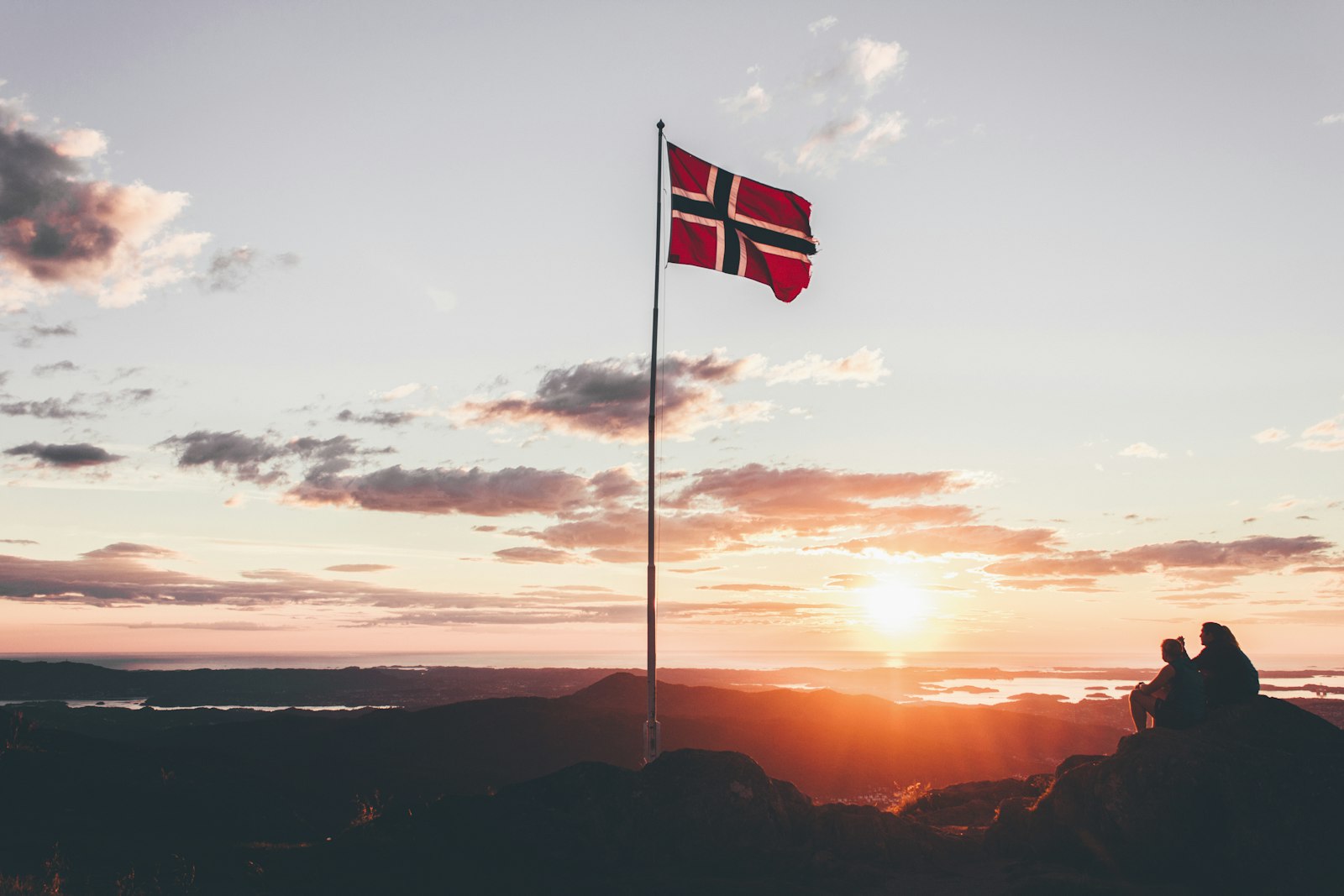
Norway and Iceland by Cruise Ship: The Northern Europe Boom of 2026
Northern European cruise bookings are surging. Norway's fjords, Iceland's volcanoes, and the midnight sun are the hottest tickets at sea this year.
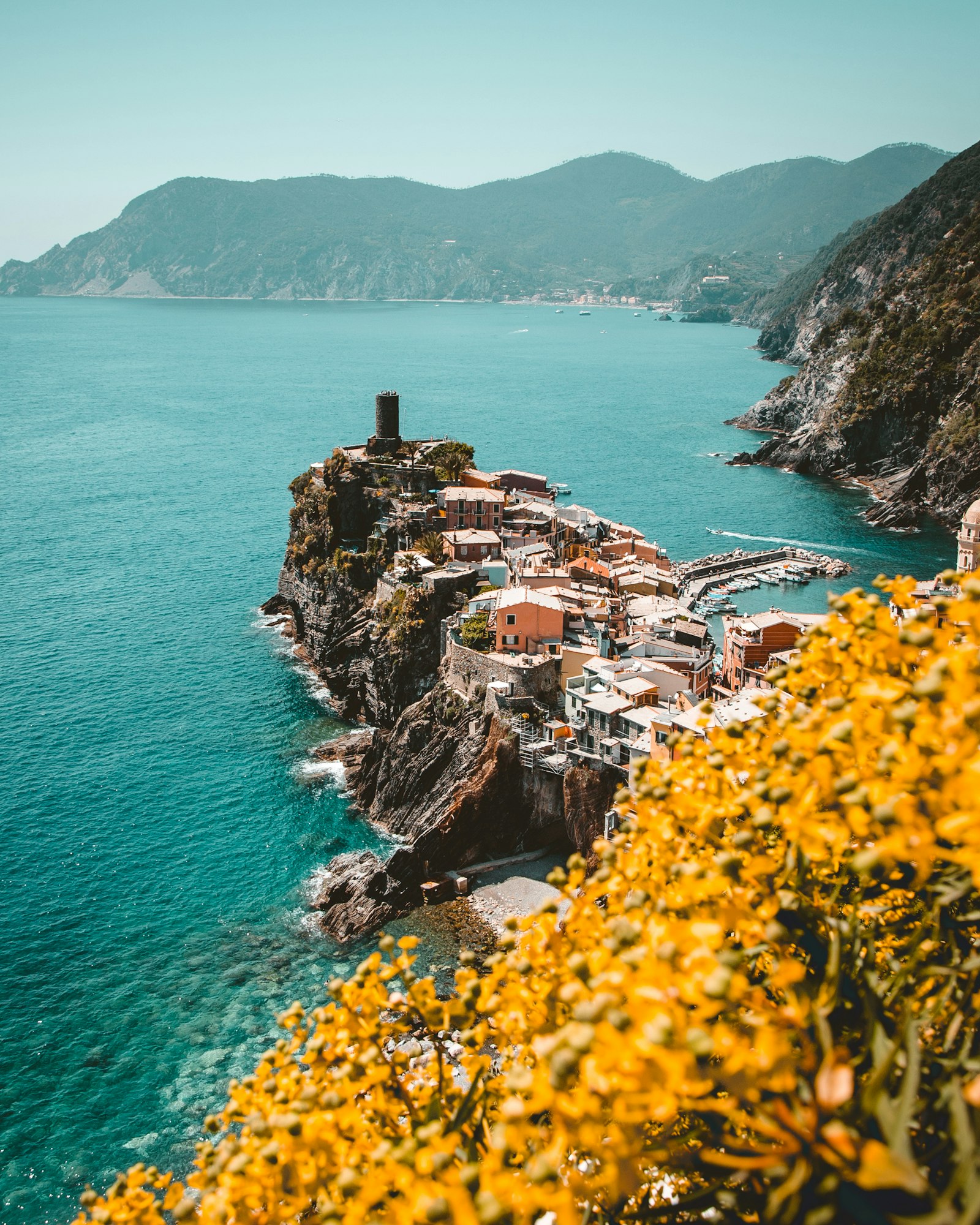
Every Mediterranean Cruise Port, Ranked by Whether You Should Actually Get Off the Ship
After too many Mediterranean cruises, one honest verdict per port. Some are unmissable. Some aren't worth the gangway. No sugarcoating.
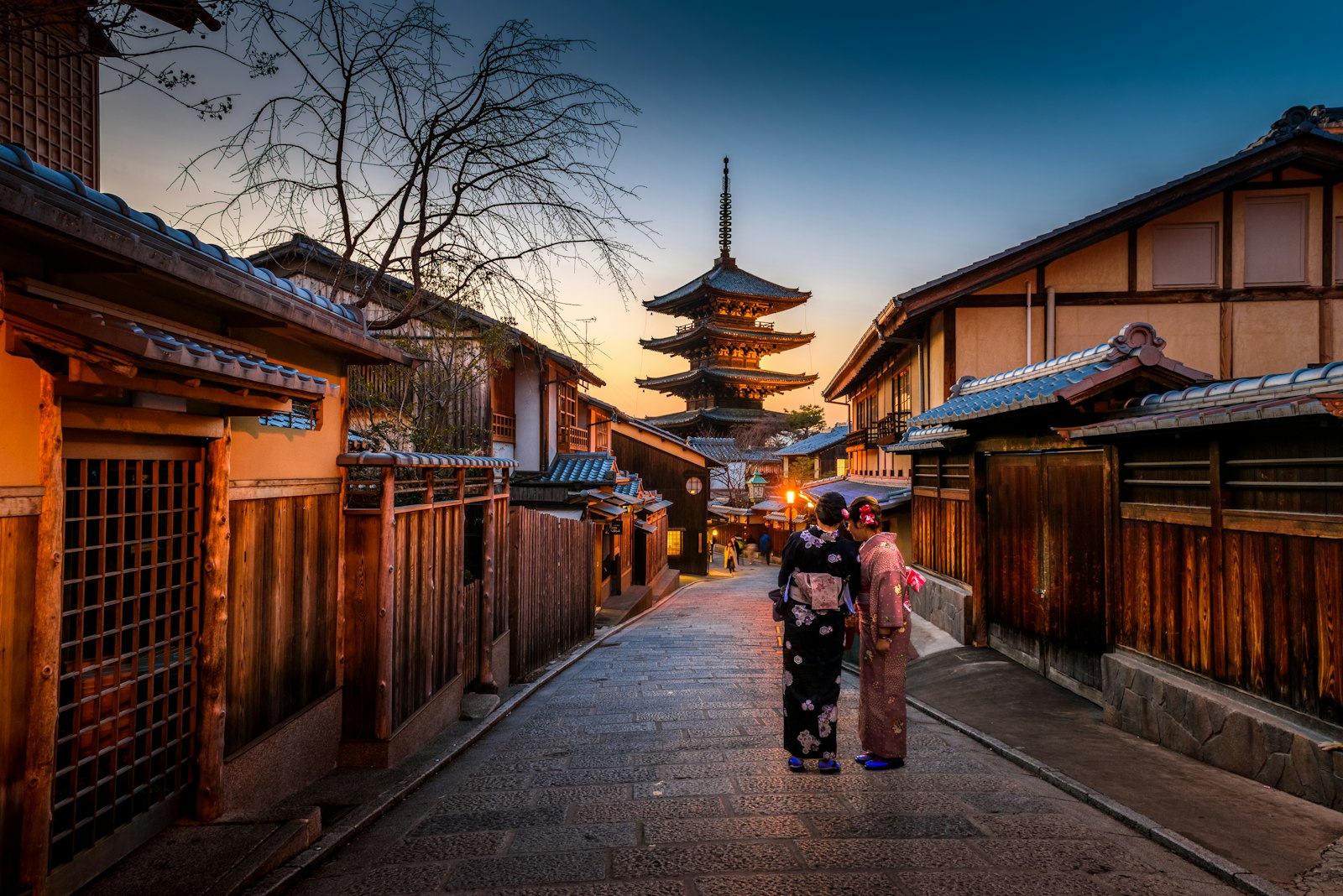
Japan Ruined Every Other Cruise Destination for Me
Temples at dawn, ramen at midnight, bullet trains between ports. Here's why Japan by cruise ship is the destination that makes everywhere else feel ordinary.