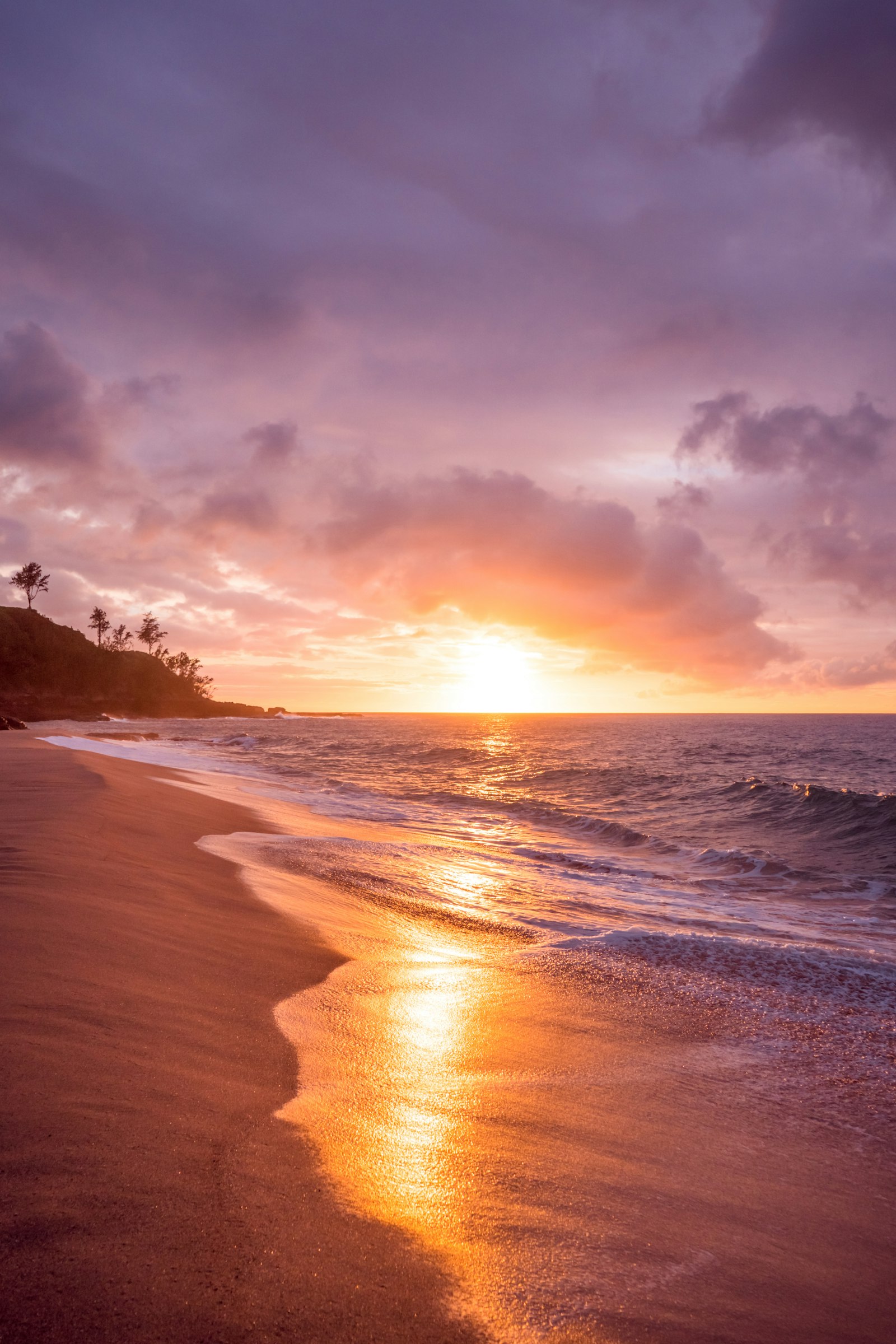
Top 10 Caribbean Cruise Ports
The best ports of call in the Caribbean — from pristine beaches to historic old towns and underwater adventures.
Top 10 Caribbean Cruise Ports
The Caribbean is the world's most popular cruise destination, and it is not hard to understand why. Warm turquoise waters, powdery white-sand beaches, and a port of call nearly every day make it the ideal introduction to cruising — and a region that seasoned travelers return to again and again.
But with dozens of ports scattered across the Eastern, Western, and Southern Caribbean, which ones truly deserve a spot on your itinerary? We have visited them all and narrowed the list to ten ports that consistently deliver the best experiences, whether you are looking for world-class snorkeling, rich history, duty-free shopping, or simply a stunning beach to call your own for the afternoon.
The Caribbean is not one destination — it is dozens of distinct islands, each with its own culture, landscape, and personality. The best Caribbean itinerary visits ports that are genuinely different from one another.
At a Glance: Caribbean Ports by Category
1. Cozumel, Mexico
Cozumel sits just off the Yucatan Peninsula and is one of the most visited cruise ports in the world — for good reason. The island is surrounded by part of the Mesoamerican Barrier Reef, the second largest reef system on earth, making it a world-class destination for snorkeling and scuba diving. Even beginners can wade into shallow reefs teeming with parrotfish, sea turtles, and vibrant coral formations.
Beyond the water, Cozumel offers easy access to Mayan ruins. The island has its own archaeological site at San Gervasio, and day trips to the mainland ruins of Tulum — perched dramatically on cliffs above the Caribbean Sea — are among the most popular excursions in all of cruising. Back in town, the waterfront promenade is lined with shops, restaurants, and bars serving fresh ceviche and cold margaritas.
The pace here is decidedly relaxed. Cozumel is not trying to be anything other than what it is: a laid-back island with exceptional diving, warm people, and a beach culture that invites you to slow down.
2. St. Maarten / St. Martin
This small island packs an extraordinary amount of character into just 37 square miles. Split between the Dutch side (Sint Maarten) and the French side (Saint-Martin) since 1648, it is the smallest landmass in the world shared by two sovereign nations. No border checks, no passport stamps — just a sign on the road as you cross between Caribbean Dutch charm and unmistakable French sophistication.
The island's most famous attraction needs no introduction: Maho Beach, where jets descend so low over the sand on their approach to Princess Juliana International Airport that you can feel the engines' thrust. It is one of the most photographed spots in the Caribbean and a genuinely thrilling experience.
On the Dutch side, Philipsburg offers extensive duty-free shopping along Front Street, with jewelry, electronics, and liquor at prices well below what you will find at home. Cross to the French side for Marigot's open-air market, outstanding French and Creole cuisine, and the clothing-optional beaches of Orient Bay. The contrast between the two cultures on one tiny island is what makes St. Maarten unlike anywhere else in the Caribbean.
3. Grand Cayman
Grand Cayman is the Caribbean at its most polished. Seven Mile Beach — consistently ranked among the best beaches in the world — is a long, unbroken stretch of soft white sand lapped by impossibly clear water. Unlike many Caribbean beaches, it is well-maintained, never overcrowded on its far ends, and lined with excellent restaurants and beach bars.
The island's signature experience is Stingray City, a series of shallow sandbars in the North Sound where southern stingrays have been gathering for decades. You wade into waist-deep water and interact with these gentle, velvety creatures as they glide around you looking for handouts. It is one of those experiences that sounds touristy but consistently delights even the most jaded travelers.
George Town, where the cruise ships dock, is compact and walkable with duty-free shopping and several good restaurants. For something more adventurous, the island offers excellent wall diving along the North Wall, crystal cave tours, and the Cayman Turtle Centre, a conservation facility where you can see sea turtles at every stage of life.
4. San Juan, Puerto Rico
San Juan is quite simply the most culturally rich port in the Caribbean. Old San Juan, a UNESCO World Heritage Site, is a living museum of Spanish colonial architecture — 500 years of history painted in every shade of pastel, with cobblestone streets that wind between centuries-old churches, plazas, and fortifications.
The crown jewel is Castillo San Felipe del Morro, a massive 16th-century fortress that guards the entrance to San Juan Bay. Walking its ramparts, with the Atlantic crashing against the walls below and kites flying on the broad lawn in front, is one of the great free experiences in the Caribbean. Nearby, Castillo San Cristobal — the largest fortification built by the Spanish in the New World — is equally impressive and far less crowded.
For U.S. citizens, San Juan has a practical advantage: Puerto Rico is a U.S. territory, so no passport is required. The currency is the U.S. dollar, cell phones work without roaming charges, and English is widely spoken alongside Spanish. Many cruise lines use San Juan as an embarkation port, which means you can arrive a day early and explore before your ship even departs.
The food scene is exceptional. Do not leave without trying mofongo (mashed plantains with garlic and pork), fresh alcapurrias from a roadside stand, and a piña colada at Barrachina, which claims to be the birthplace of the cocktail.
5. Labadee and CocoCay — Private Island Experiences
These are not traditional ports — they are private destinations owned and operated by Royal Caribbean. Labadee is a leased peninsula on the northern coast of Haiti, while Perfect Day at CocoCay is a private island in the Bahamas. Both offer a completely controlled, all-inclusive beach day experience that many cruisers absolutely love.
At CocoCay, Royal Caribbean has invested over $250 million to create a theme-park-meets-paradise experience. Thrill Waterpark features the tallest waterslide in North America. Chill Island offers free beach access with loungers and umbrellas. Up, Up and Away is a helium balloon that lifts you 450 feet for panoramic views. And the Coco Beach Club offers an overwater-bungalow experience that rivals anything in the Maldives — at a fraction of the price.
Labadee offers a more natural, less developed experience with a beautiful beach, zip line over the water, kayaking, and a floating bar. Both destinations guarantee calm, beautiful water and the convenience of charging everything to your ship card.
The trade-off is authenticity. You will not experience local culture, independent restaurants, or the serendipity of exploring a real town. But for a day of pure relaxation and water play — especially with children — these private islands deliver exactly what they promise.
6. Aruba
Aruba calls itself "One Happy Island," and it is hard to argue. Sitting well south of the hurricane belt, Aruba enjoys some of the most consistent weather in the Caribbean — sunshine roughly 300 days a year, with rain measured in minutes rather than hours. That reliability alone makes it one of the safest bets for a beach day in the region.
Eagle Beach is the island's crown jewel, regularly rated among the best beaches in the world. Wide, pristine, and dotted with iconic divi-divi trees bent by the trade winds, it is the picture-perfect Caribbean postcard. Nearby Palm Beach is livelier, with high-rise resorts, water sports rentals, and beachside restaurants.
What sets Aruba apart from other Caribbean islands is its landscape. The interior is arid and desert-like, with dramatic rock formations, giant cacti, and the rugged beauty of Arikok National Park. The Natural Pool — a sheltered swimming hole carved into volcanic rock on the windward coast — is accessible only by four-wheel drive and is worth the adventure.
The island is also remarkably welcoming. Arubans are multilingual (Papiamento, Dutch, English, and Spanish), the dining scene is diverse and excellent, and the island feels genuinely safe and friendly at all hours.
7. St. Thomas, U.S. Virgin Islands
Charlotte Amalie, the capital of St. Thomas, has been a major trading port for centuries — and that heritage lives on in some of the best duty-free shopping in the Caribbean. Main Street and the narrow alleys known as "Gades" are packed with jewelry stores, watch dealers, and liquor shops offering prices significantly below mainland U.S. retail.
But St. Thomas is far more than a shopping stop. Magens Bay, set in a heart-shaped cove on the island's north side, is one of the most beautiful beaches in the Caribbean. The calm, sheltered water is perfect for swimming, and the surrounding green hills create a natural amphitheater that feels almost tropical-jungle lush.
As a U.S. territory, St. Thomas offers the same practical advantages as San Juan: no passport required for American citizens, U.S. currency, and no language barrier. The island is hilly and scenic, with panoramic viewpoints — particularly the famous overlook at Drake's Seat — that offer sweeping vistas of neighboring islands and the sparkling Caribbean Sea.
For a quieter experience, take the ferry to nearby St. John, where two-thirds of the island is protected as Virgin Islands National Park. Trunk Bay on St. John, with its underwater snorkeling trail, is consistently rated among the top beaches in the world.
8. Roatan, Honduras
Roatan is the Caribbean's best-kept secret for divers and budget-conscious travelers. This slender island off the coast of Honduras sits on the Mesoamerican Barrier Reef — the same reef system that makes Cozumel famous — but with far fewer crowds and significantly lower prices.
The diving and snorkeling here are world-class. West Bay Beach, a short water taxi ride from the cruise port, offers excellent snorkeling right off the sand — you can wade in and be swimming among coral and tropical fish within minutes. For certified divers, the wall dives along the reef drop-off are extraordinary, with visibility often exceeding 100 feet and encounters with sea turtles, eagle rays, and nurse sharks.
Roatan is notably more affordable than most Caribbean ports. A beachside lunch with a cold beer might cost $8 to $12. A two-tank dive runs $60 to $80. And a full-day beach pass at one of the island's many beachfront resorts — including lunch, drinks, and snorkel gear — is often under $40.
The island also has a rich Garifuna culture on its eastern end, with traditional music, dance, and cuisine that you will not find anywhere else in the Caribbean. It is less polished than Grand Cayman or Aruba, which is precisely its charm.
9. Nassau and Paradise Island, Bahamas
Nassau is the most frequently visited cruise port in the Caribbean, owing to its proximity to Florida — just 180 miles from Miami. That convenience makes it a staple on short 3- and 4-night itineraries, and nearly every cruise line calls here.
The main draw for many visitors is Atlantis Paradise Island, the massive resort complex connected to Nassau by a bridge. Even if you are not staying there, a day pass grants access to Aquaventure, one of the largest water parks in the Caribbean, with slides, a lazy river, and marine habitats housing sharks, rays, and tropical fish. It is expensive (around $170 to $200 for adults) but is genuinely a full day of entertainment.
Downtown Nassau itself has genuine historical charm. The pastel-colored colonial buildings along Bay Street, the Queen's Staircase (66 steps carved from limestone by enslaved people in the late 18th century), and Fort Charlotte all reward a morning of exploration. The Straw Market, while touristy, is a local institution where you can haggle for handmade baskets, hats, and souvenirs.
For a more relaxed experience, take a water taxi to nearby Blue Lagoon Island or book an excursion to the famous swimming pigs at Big Major Cay in the Exumas (though this is a full-day trip and requires advance planning).
10. Bermuda
Bermuda is not technically in the Caribbean — it sits 650 miles east of North Carolina in the Atlantic Ocean — but it appears on so many Caribbean cruise itineraries, particularly out of the U.S. East Coast, that it earns a place on this list. And what a place it is.
Bermuda's signature pink-sand beaches are not a marketing gimmick. The sand genuinely glows with a soft pink hue, created by crushed coral and the shells of tiny organisms called foraminifera. Horseshoe Bay Beach is the most famous and deservedly so — a crescent of pink sand framed by dramatic limestone formations, with calm, crystal-clear water that is ideal for swimming.
The island's British heritage gives it a character entirely distinct from the rest of the Caribbean. Expect manicured gardens, proper afternoon tea, pastel-colored houses with white limestone roofs (designed to catch rainwater), and a courtesy and formality that feels refreshingly old-world. Hamilton and St. George (a UNESCO World Heritage Site) are both charming, walkable towns with excellent restaurants and shops.
Most cruise ships dock at the Royal Naval Dockyard on the island's western tip, where the former British naval base has been converted into a complex of museums, shops, restaurants, and the National Museum of Bermuda. A fast ferry connects the Dockyard to Hamilton and St. George, making the entire island accessible without a car.
Planning Your Caribbean Cruise
The beauty of Caribbean cruising is the variety. A single 7-night itinerary can take you from the Mayan ruins of Cozumel to the pink sands of Bermuda, from duty-free shopping in St. Thomas to world-class diving in Roatan. No two ports feel the same, and that diversity is what keeps experienced cruisers returning to the region year after year.
When choosing your itinerary, think about what matters most to you. Beach lovers should prioritize Aruba, Grand Cayman, and Bermuda. Culture seekers will get the most from San Juan and Nassau. Adventure travelers should not miss Cozumel and Roatan. And if shopping is your sport, St. Thomas and St. Maarten will keep you busy all day.
The best Caribbean itinerary is not the one with the most famous ports — it is the one with the most variety. Mix a beach day with a culture day, an adventure day with a shopping day, and you will come home feeling like you experienced the full breadth of the Caribbean.
Whatever you choose, you are heading to warm water, friendly people, and some of the most beautiful coastlines on earth. That is never a bad plan.
Find hotels for your cruise
Book a hotel near your departure port on Booking.com
Related Guides
Norway and Iceland by Cruise Ship: The Northern Europe Boom of 2026
Northern European cruise bookings are surging. Norway's fjords, Iceland's volcanoes, and the midnight sun are the hottest tickets at sea this year.
Every Mediterranean Cruise Port, Ranked by Whether You Should Actually Get Off the Ship
After too many Mediterranean cruises, one honest verdict per port. Some are unmissable. Some aren't worth the gangway. No sugarcoating.

Japan Ruined Every Other Cruise Destination for Me
Temples at dawn, ramen at midnight, bullet trains between ports. Here's why Japan by cruise ship is the destination that makes everywhere else feel ordinary.