Where to Cruise Instead: The Best Alternatives While the Middle East Is Off the Map
The Iran conflict has erased Gulf cruising for 2026. But repositioned ships are creating new itineraries, surprise deals, and fresh options in the Mediterranean, Atlantic, and beyond.
The Gulf cruise season is gone. Dubai, Muscat, Abu Dhabi, Doha — every port that made the Arabian Gulf one of cruising's fastest-growing regions is now behind a closed strait and an active war zone. If you had a Middle East cruise booked for 2026, it has been cancelled.
But here is what the cancellation emails do not tell you: the ships have to go somewhere. And where they are going is creating some of the most interesting cruise opportunities in years.
Every ship pulled out of the Persian Gulf needs a new home. That means new itineraries, extra capacity, and — if you know where to look — genuinely good deals in regions that were already fully deployed.
The Repositioning Map: Where the Ships Are Going
When cruise lines cancel an entire region, the ships do not sit idle. They get redeployed — fast. Here is where the Gulf fleet is landing:
This is not just schedule reshuffling. It is real capacity entering markets that were already fully planned. That creates pricing pressure — and opportunity.
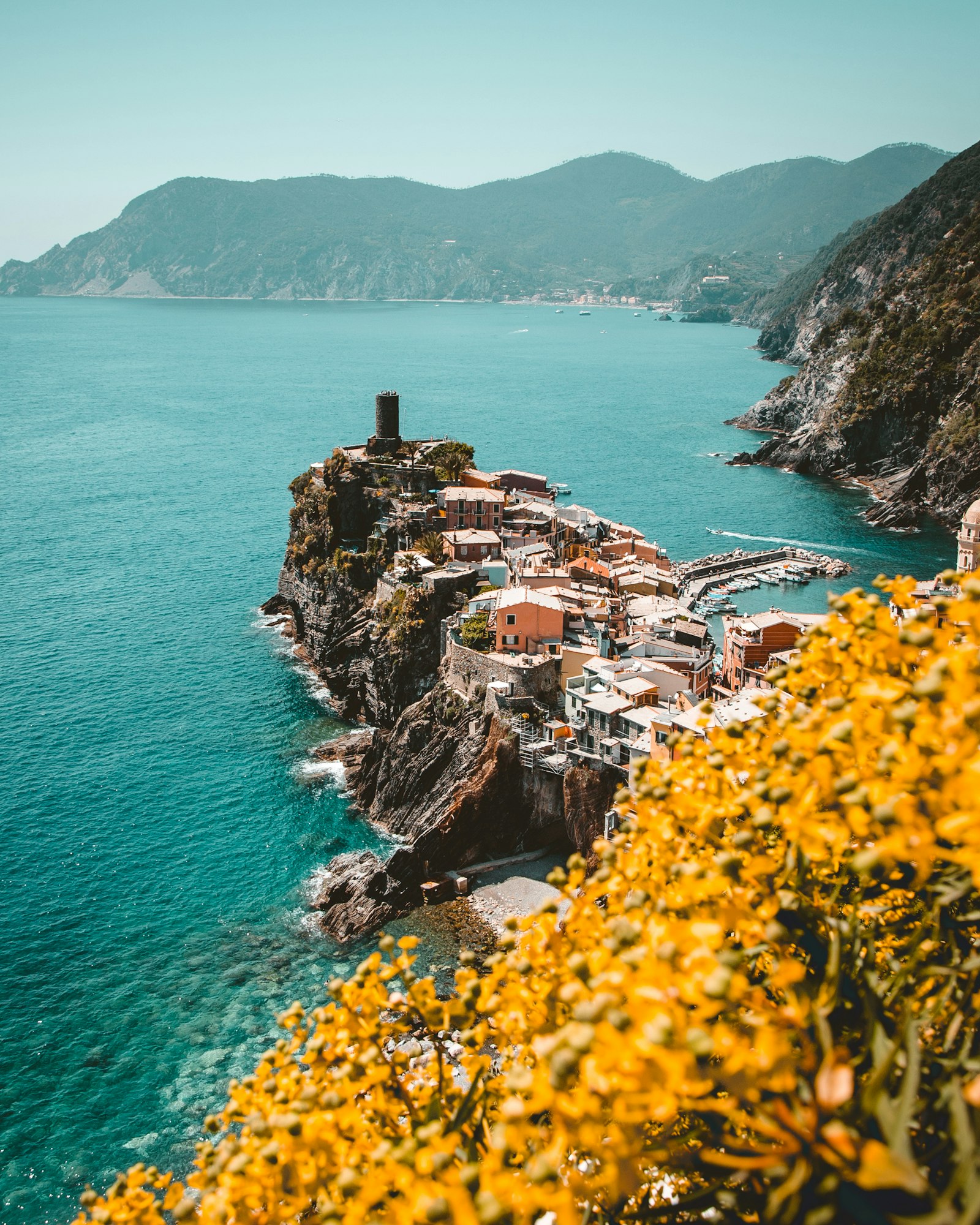
The Mediterranean: More Ships, More Options
The Med was already the world's most popular cruise region. Now it is absorbing ships from the Gulf as well.
What This Means for Travelers
More availability. Sailings that would have sold out months ago now have cabins. If you were priced out of a summer Mediterranean cruise, check again — new ships on existing routes mean fresh inventory.
New shoulder-season options. Ships that would have been in Dubai from November through March are staying in the Med longer. That means more late-autumn and early-spring Mediterranean sailings than in any previous year — and these shoulder-season departures are often the best value in cruising.
Eastern Med is the closest substitute. If you were drawn to the Middle East for the cultural depth — ancient history, markets, architecture — the eastern Mediterranean delivers a similar experience. Greece, Turkey, Croatia, and Egypt (Alexandria and Port Said, accessed from the Med side) offer that same blend of history and warm-weather sailing.
The Canary Islands: The Unexpected Winner
The biggest beneficiary of the Gulf cancellations might be the Canary Islands. Costa Cruises has moved its entire Gulf winter program here — Costa Smeralda is now running weekly loops through the Canaries, Madeira, and mainland Spain.
Why the Canaries Work
- Year-round warm weather. Average winter temperatures of 20–22°C make the Canaries the closest thing Europe has to a tropical cruise destination.
- Volcanic landscapes. Tenerife's Mount Teide, Lanzarote's Timanfaya National Park, and La Palma's newly formed volcanic landscapes are genuinely dramatic.
- Short flights from Europe. Four to five hours from most European capitals — far easier than the seven-hour flight to Dubai.
- Uncrowded ports. Unlike Barcelona or Santorini, Canary Island ports are not overwhelmed by cruise traffic. You can actually explore without fighting through tour bus bottlenecks.
For travelers who wanted a winter-sun cruise and lost their Gulf booking, the Canaries are the most direct replacement — warm, exotic, and now with more ship options than ever before.
Northern Europe: The Quiet Surge
Less obvious but equally significant: Northern Europe is seeing a booking surge. Scandinavia, the Baltic, Iceland, and British Isles itineraries are filling faster than any previous year.
Why It Is Happening
The Middle East attracted a specific type of cruiser — someone looking for something different from the standard Caribbean or Mediterranean loop. With the Gulf off the table, those travelers are not downgrading to mainstream routes. They are looking for other distinctive destinations. Northern Europe fits.
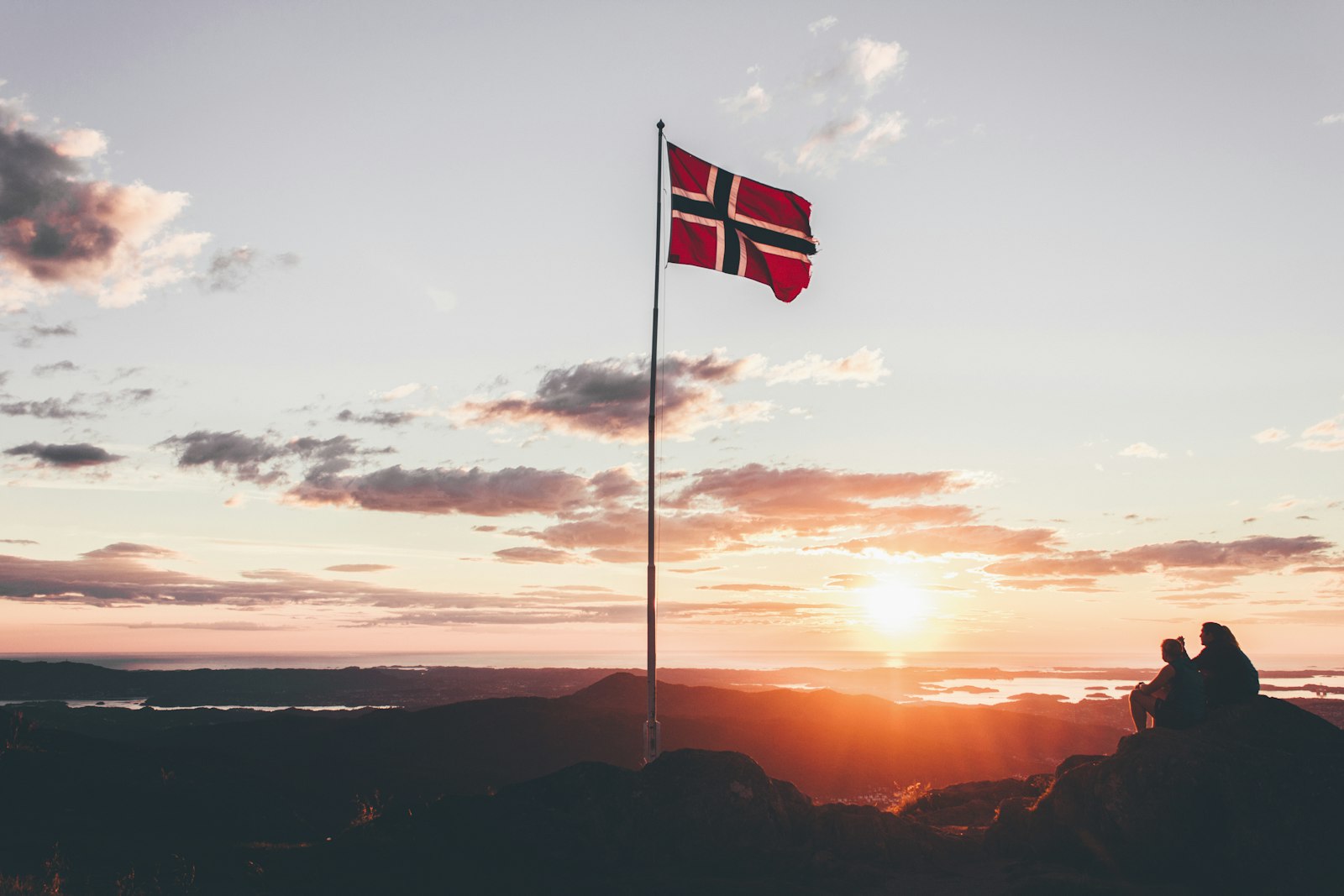
Norway's fjords offer the same sense of natural grandeur that drew people to Oman's coastline. Iceland delivers the exotic factor that Dubai provided. The Baltic capitals — Stockholm, Helsinki, Tallinn — offer the cultural richness that Gulf ports like Muscat and Abu Dhabi were building toward.
And unlike the Mediterranean, Northern Europe is not being flooded with repositioned ships. Capacity is growing modestly, which means the experience stays intimate.
The Caribbean: Always There, Now Busier
The Caribbean does not need repositioned ships — it was already the world's largest cruise market. But it is absorbing displaced demand from travelers who lost Middle East bookings and want guaranteed warm weather.
What to Expect
- Fuller ships. Especially on premium and luxury lines that had Gulf programs. If you prefer a quieter onboard experience, book early or consider smaller ships.
- Higher prices. Demand is up. Prices follow. The Caribbean deals of early 2026 are largely gone for winter 2026–27.
- Southern Caribbean stands out. If you want to avoid the busiest ports, look south — Curaçao, Aruba, Bonaire, and Barbados are less affected by the capacity surge than the major Eastern and Western Caribbean hubs.
Alaska: Unchanged and Underrated
Alaska is the one major cruise destination completely untouched by Middle East disruptions. No ships are being repositioned here — the Alaska fleet was planned independently — and the season runs May through September regardless of what happens in the Gulf.
If you are looking for a cruise that feels immune to geopolitics, Alaska is it. Glaciers, wildlife, and Inside Passage scenery do not care about the Strait of Hormuz.
The Africa Wildcard
Here is something most people are not talking about: the rerouting of ships around the Cape of Good Hope is creating unusual Africa-focused itineraries.
World cruises and repositioning voyages that would have transited the Suez Canal are now going around Southern Africa instead. That means more port calls in:
- Cape Town — Already a world-class cruise port, now getting significantly more visits.
- Namibia (Walvis Bay) — A desert-meets-ocean landscape unlike anything else in cruising.
- Mozambique and Madagascar — Appearing on itineraries for the first time in years.
- Canary Islands and West Africa — New transit stops for ships heading between Europe and Southern Africa.
These are not cheap cruises — most are segments of world voyages or extended repositioning sailings of 14+ nights. But if you have the time and flexibility, they offer genuinely rare experiences at prices that reflect the unusual circumstances.
How to Find the Best Deals
The Gulf cancellations have created a specific type of opportunity. Here is how to take advantage:
-
Watch for newly announced sailings. Cruise lines are still finalizing redeployment schedules. New itineraries are being added weekly, especially in the Mediterranean and Canary Islands. Sign up for fare alerts.
-
Target shoulder season. November 2026 through March 2027 is where the extra capacity lands. These months would have been Gulf season — now those ships need passengers elsewhere.
-
Consider the cruise lines that lost Gulf programs. Costa, MSC, TUI, AIDA, and Explora all pulled ships from the Middle East. They are most motivated to fill their new deployments and may offer introductory pricing.
-
Look at repositioning segments. One-way voyages between regions (transatlantic, Africa-to-Europe, Europe-to-Asia via Cape of Good Hope) are often priced attractively because they are harder to sell than standard round-trip cruises.
-
Book with CFAR insurance. The lesson of 2026 is clear — geopolitical disruptions happen. Cancel For Any Reason coverage protects you regardless of what unfolds next.
The cruise industry's loss is the flexible traveler's gain. Ships that were headed for Dubai are now sailing the Canary Islands, extending Mediterranean seasons, and creating itineraries around Africa that did not exist six months ago. The map changed — and so did the opportunities.
The Bottom Line
The Middle East is off the cruise map for 2026 and likely well into 2027. That is a genuine loss — Dubai, Oman, and the Arabian Gulf were building something special for cruise travelers.
But the ships still sail. The capacity still exists. And right now, it is being deployed in ways that create real value for travelers willing to pivot. The Mediterranean has more options than ever. The Canary Islands have emerged as a legitimate winter-sun cruise destination. Northern Europe is having a moment. Africa is appearing on itineraries that would never have existed otherwise.
The travelers who come out ahead in 2026 are not the ones mourning their cancelled Gulf itinerary. They are the ones already looking at what replaced it.
Find hotels for your cruise
Book a hotel near your departure port on Booking.com
Related Guides
Norway and Iceland by Cruise Ship: The Northern Europe Boom of 2026
Northern European cruise bookings are surging. Norway's fjords, Iceland's volcanoes, and the midnight sun are the hottest tickets at sea this year.
Every Mediterranean Cruise Port, Ranked by Whether You Should Actually Get Off the Ship
After too many Mediterranean cruises, one honest verdict per port. Some are unmissable. Some aren't worth the gangway. No sugarcoating.

Japan Ruined Every Other Cruise Destination for Me
Temples at dawn, ramen at midnight, bullet trains between ports. Here's why Japan by cruise ship is the destination that makes everywhere else feel ordinary.